Onion Seeds
What is Onion Seeds?
Onion seeds, also known as nigella seeds or kalonji, are tiny black seeds from the *Nigella sativa* plant, native to Southwest Asia and the Middle East. They are typically dried and used whole or ground as a spice.
Is Onion Seeds vegan?
Onion Seeds is not animal-derived. Products that contain it can still include other animal-derived ingredients, so check the full ingredient list.
Is Onion Seeds a major allergen?
Onion seeds are not one of the nine major allergens.
What is Onion Seeds used for?
Onion seeds are used to add a pungent, slightly bitter, and savory flavor to a variety of foods.
Is Onion Seeds safe?
Onion seeds are generally recognized as safe (GRAS) by the FDA when used as a food ingredient.
Why it's used
Onion seeds are used to add a pungent, slightly bitter, and savory flavor to a variety of foods. They are commonly found in Indian, Middle Eastern, and Mediterranean cuisines, often sprinkled on breads, crackers, curries, and vegetable dishes for both flavor and texture.
Health notes
Onion seeds are generally recognized as safe (GRAS) by the FDA when used as a food ingredient. While they have been studied for potential health benefits, robust scientific evidence supporting specific health claims is limited. International bodies like EFSA have not specifically evaluated onion seeds for food additive purposes.
Allergen info
Onion seeds are not one of the nine major allergens. However, they belong to the Ranunculaceae family, and some individuals may have sensitivities.
Foods that contain Onion Seeds
Compare products →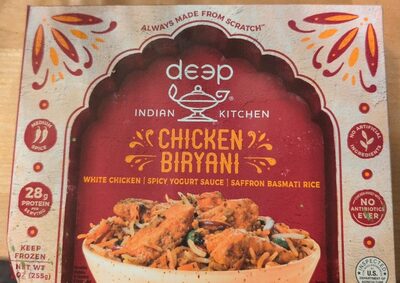
Learn more
Auto-generated content. This description was generated automatically and is pending editorial review. Inaccuracies are possible. Found a mistake? Contact us.