Orange Pulp
What is Orange Pulp?
Orange pulp is the fleshy, juicy part of an orange, including the segments and sometimes the membranes. It is derived directly from the fruit and is often processed by juicing or segmenting oranges.
Is Orange Pulp vegan?
Orange Pulp is not animal-derived. Products that contain it can still include other animal-derived ingredients, so check the full ingredient list.
Is Orange Pulp gluten-free?
It is derived from a fruit and does not contain gluten.
Is Orange Pulp a major allergen?
Not a major allergen.
What is Orange Pulp used for?
Manufacturers add orange pulp to provide natural citrus flavor, texture, and color to foods.
Is Orange Pulp safe?
Orange pulp is generally recognized as safe (GRAS) by the FDA for use in food.
Why it's used
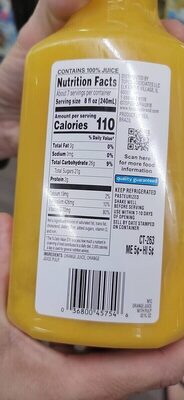
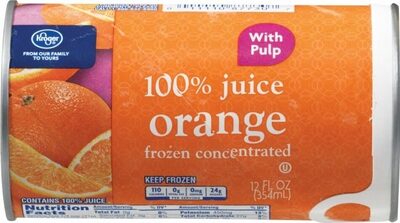
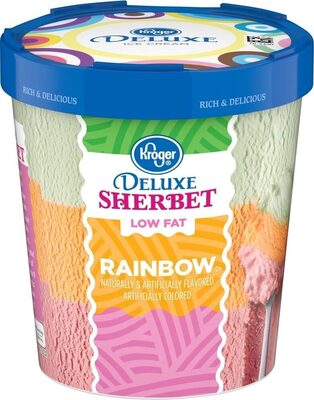
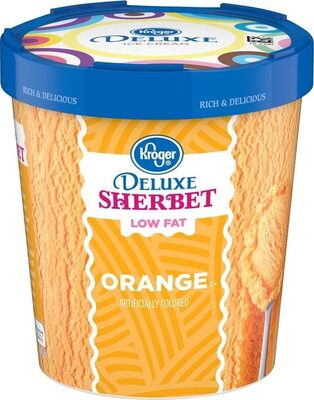
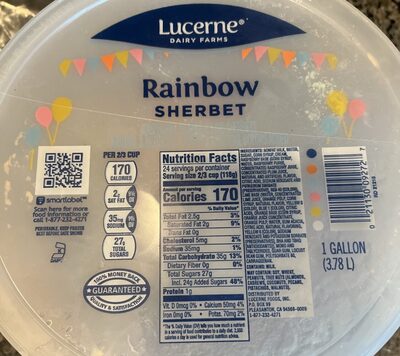
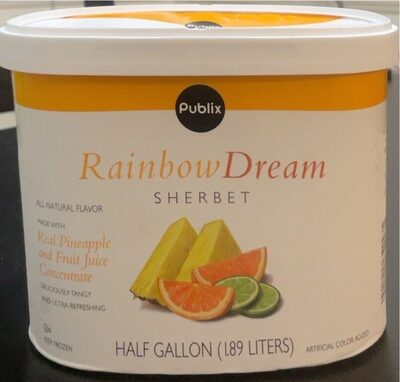
Manufacturers add orange pulp to provide natural citrus flavor, texture, and color to foods. It is commonly found in beverages, ice cream, frozen desserts, baked goods, and confectionery.
Health notes
Orange pulp is generally recognized as safe (GRAS) by the FDA for use in food. It is a source of vitamin C and dietary fiber. International bodies like JECFA have evaluated similar fruit-derived ingredients. Evidence does not suggest adverse health effects at typical consumption levels.
Allergen info
Not a major allergen. It is derived from a fruit and does not contain gluten.
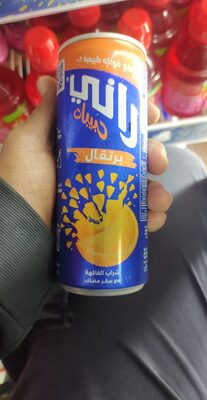
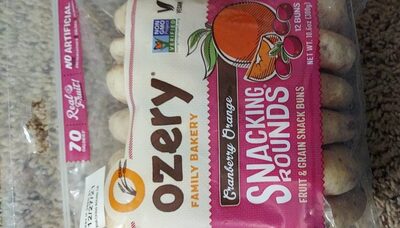
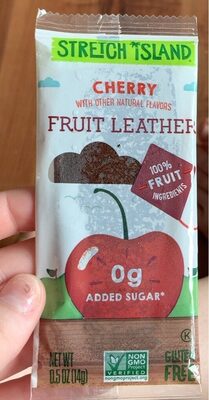
Foods that contain Orange Pulp
Compare products →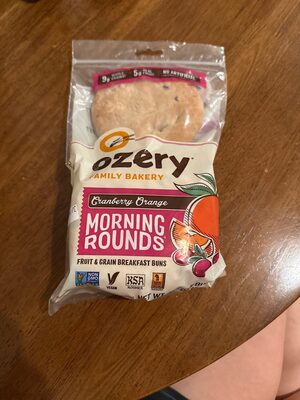

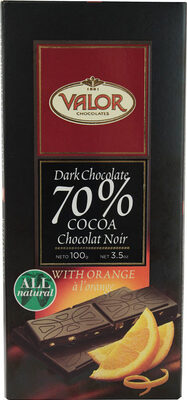
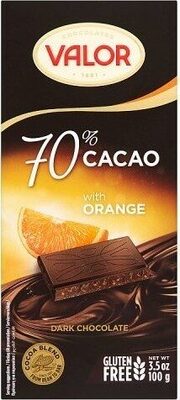 Valor
Dark Chocolate
High in saturated fat — 30% DV per serving
485kcal
9.1Protein
30.3Fat
54.5Carbs
Auto-generated content. This description was generated automatically and is pending editorial review. Inaccuracies are possible. Found a mistake? Contact us.