Oregano Oil
Auto-generated content. This description was generated automatically and is pending editorial review. Inaccuracies are possible. Found a mistake? Contact us.
What it is
Oregano oil is a concentrated extract derived from the leaves of the oregano plant (Origanum vulgare). The oil is typically obtained through steam distillation or solvent extraction, capturing the plant's aromatic compounds and flavor.
Why it's used
Manufacturers use oregano oil primarily as a flavoring agent to impart a pungent, herbaceous taste to foods. It is frequently found in savory products such as pasta sauces, pizza, salad dressings, and marinades, where its distinct flavor profile is desired.
Health notes
In the U.S., oregano oil is generally recognized as safe (GRAS) by the FDA for use as a flavoring. Regulatory bodies like the European Food Safety Authority (EFSA) have evaluated oregano oil and its components. While generally considered safe at typical consumption levels, some studies have explored its potential antioxidant and antimicrobial properties, though more research is needed to confirm these effects in humans. Evidence regarding specific health benefits or risks at dietary levels is mixed and requires further investigation.
Allergen info
Oregano oil is not derived from any of the nine FDA major allergens. It does not contain gluten.
Products containing Oregano Oil
Compare products →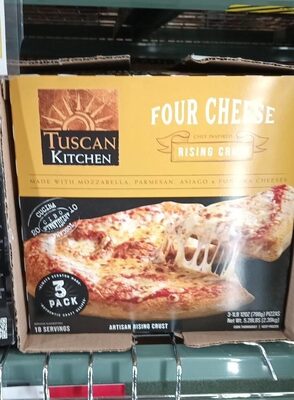 Tuscan Brands, LLC.
Four Cheese Made With Mozzarella, Parmesan, Asiago & Fontina Cheese Rising Crust Pizzas, Four Cheese
High in sodium — 40% DV per serving
High in saturated fat — 20% DV per serving
226kcal
9.0Protein
6.0Fat
35.3Carbs
Tuscan Brands, LLC.
Four Cheese Made With Mozzarella, Parmesan, Asiago & Fontina Cheese Rising Crust Pizzas, Four Cheese
High in sodium — 40% DV per serving
High in saturated fat — 20% DV per serving
226kcal
9.0Protein
6.0Fat
35.3Carbs
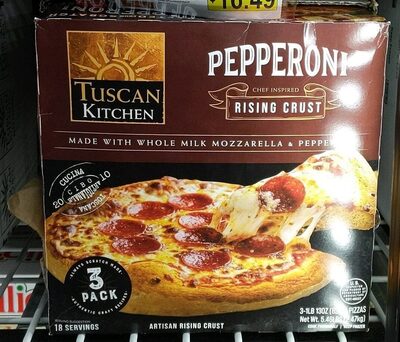 Tuscan Brands, LLC.
Pepperoni Rising Crust Pizzas, Pepperoni
High in sodium — 45% DV per serving
High in saturated fat — 22% DV per serving
246kcal
9.4Protein
8.0Fat
33.3Carbs
Tuscan Brands, LLC.
Supreme Artisan Rising Crust Pizzas, Supreme Artisan Rising Crust
High in sodium — 43% DV per serving
High in saturated fat — 20% DV per serving
216kcal
8.8Protein
6.1Fat
31.8Carbs
Superior Foods Company
Pepperoni Pizza Dip & Spread, Pepperoni Pizza
250kcal
10.7Protein
21.4Fat
7.1Carbs
Tuscan Brands, LLC.
Pepperoni Rising Crust Pizzas, Pepperoni
High in sodium — 45% DV per serving
High in saturated fat — 22% DV per serving
246kcal
9.4Protein
8.0Fat
33.3Carbs
Tuscan Brands, LLC.
Supreme Artisan Rising Crust Pizzas, Supreme Artisan Rising Crust
High in sodium — 43% DV per serving
High in saturated fat — 20% DV per serving
216kcal
8.8Protein
6.1Fat
31.8Carbs
Superior Foods Company
Pepperoni Pizza Dip & Spread, Pepperoni Pizza
250kcal
10.7Protein
21.4Fat
7.1Carbs
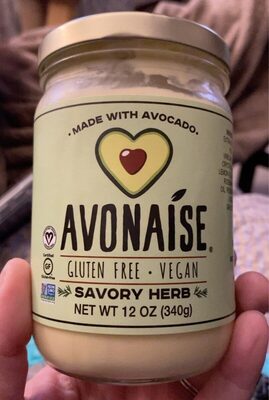 AVONAISE FOODS LLC
Savory Herb Spread, Savory Herb
333kcal
0Protein
40Fat
0Carbs
Hirzel Canning Company
Low Sodium Spaghetti Sauce
41kcal
1.6Protein
0.4Fat
8.2Carbs
Hirzel Canning Company
Low Sodium Spaghetti Sauce
41kcal
1.6Protein
0.4Fat
8.2Carbs
AVONAISE FOODS LLC
Savory Herb Spread, Savory Herb
333kcal
0Protein
40Fat
0Carbs
Hirzel Canning Company
Low Sodium Spaghetti Sauce
41kcal
1.6Protein
0.4Fat
8.2Carbs
Hirzel Canning Company
Low Sodium Spaghetti Sauce
41kcal
1.6Protein
0.4Fat
8.2Carbs