Organic Baby Kale
What is Organic Baby Kale?
Baby kale is a young, tender version of mature kale. It is harvested earlier, resulting in smaller leaves with a milder flavor and less bitterness. It is grown and harvested similarly to other leafy greens.
Is Organic Baby Kale vegan?
Organic Baby Kale is not animal-derived. Products that contain it can still include other animal-derived ingredients, so check the full ingredient list.
Is Organic Baby Kale gluten-free?
Kale is not one of the nine major allergens recognized by the FDA, nor does it contain gluten.
What is Organic Baby Kale used for?
Baby kale is typically used fresh in salads, smoothies, and as a garnish due to its delicate texture and mild taste.
Is Organic Baby Kale safe?
Baby kale is a nutrient-dense food, providing vitamins A, C, and K, as well as minerals like calcium and potassium.
Why it's used
Baby kale is typically used fresh in salads, smoothies, and as a garnish due to its delicate texture and mild taste. Manufacturers include it to add nutritional value and a fresh, green flavor to packaged salads and other ready-to-eat meals.
Health notes
Baby kale is a nutrient-dense food, providing vitamins A, C, and K, as well as minerals like calcium and potassium. The U.S. Food and Drug Administration (FDA) recognizes kale as a safe food ingredient. International bodies like the European Food Safety Authority (EFSA) have evaluated kale as part of broader assessments of foods and their components. No specific health concerns are associated with the consumption of baby kale at typical dietary levels.
Allergen info
Kale is not one of the nine major allergens recognized by the FDA, nor does it contain gluten.
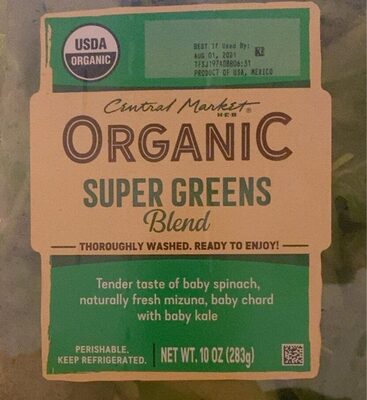
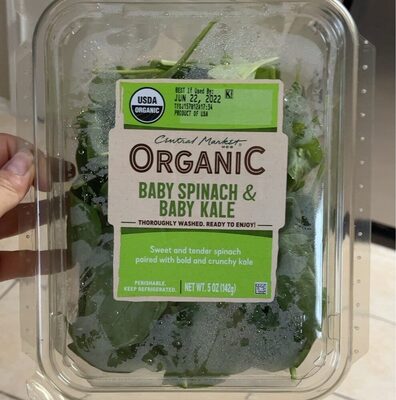
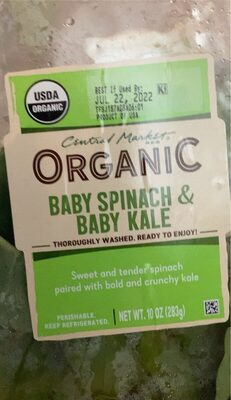
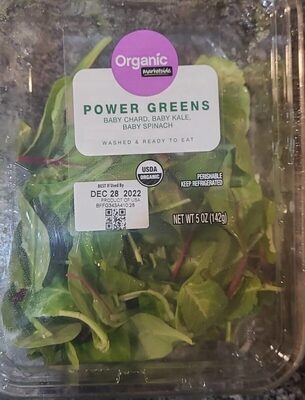
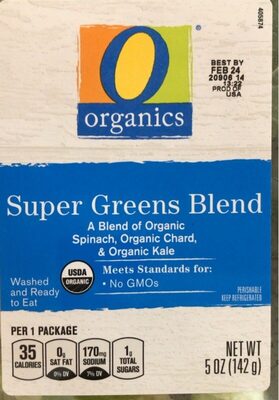
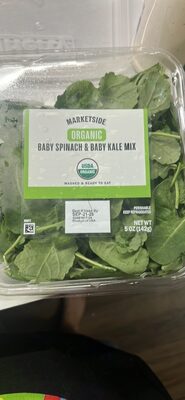
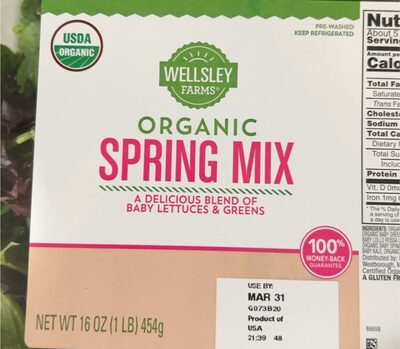
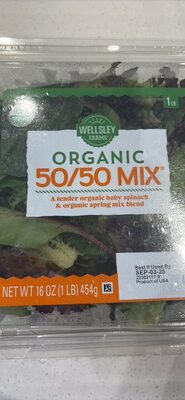
Foods that contain Organic Baby Kale
Compare products →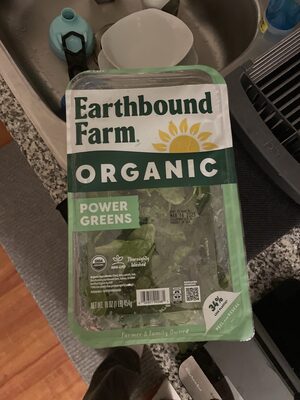
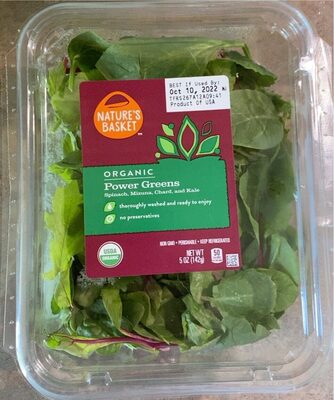
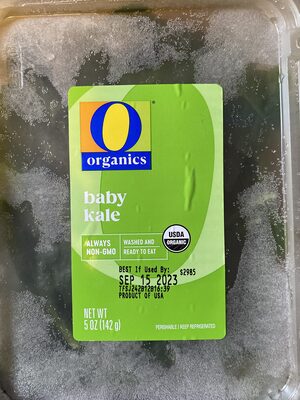
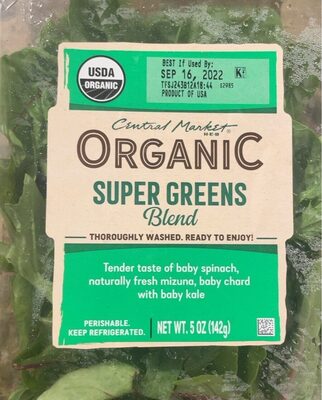

Auto-generated content. This description was generated automatically and is pending editorial review. Inaccuracies are possible. Found a mistake? Contact us.