Organic Coconut Nectar
What is Organic Coconut Nectar?
Organic coconut nectar is a sweetener made from the sap of coconut palm blossoms. The sap is collected and then gently heated to evaporate most of the water, resulting in a thick, dark syrup. It is considered a less processed alternative to refined sugars.
Is Organic Coconut Nectar vegan?
Organic Coconut Nectar is not animal-derived. Products that contain it can still include other animal-derived ingredients, so check the full ingredient list.
Is Organic Coconut Nectar gluten-free?
It is also gluten-free.
Is Organic Coconut Nectar a major allergen?
Coconut is botanically classified as a fruit, not a tree nut, and is not one of the FDA's nine major allergens.
What is Organic Coconut Nectar used for?
Manufacturers use organic coconut nectar primarily as a natural sweetener in a variety of food products.
Is Organic Coconut Nectar safe?
Organic coconut nectar is generally recognized as safe (GRAS) by the FDA when used as a food ingredient.
Why it's used
Manufacturers use organic coconut nectar primarily as a natural sweetener in a variety of food products. Its mild, caramel-like flavor makes it suitable for use in baked goods, energy bars, sauces, and beverages. It can also add a rich color to foods.
Health notes
Organic coconut nectar is generally recognized as safe (GRAS) by the FDA when used as a food ingredient. It is a source of carbohydrates and contains small amounts of minerals like iron and zinc. While it is a natural sweetener, it is still a source of sugar and should be consumed in moderation as part of a balanced diet. JECFA has evaluated sugars and sweeteners, and EFSA has also reviewed various sweeteners. Evidence does not suggest adverse health effects at typical consumption levels.
Allergen info
Coconut is botanically classified as a fruit, not a tree nut, and is not one of the FDA's nine major allergens. Therefore, coconut nectar is not considered a major allergen. It is also gluten-free.
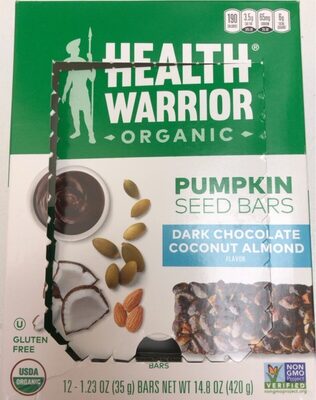
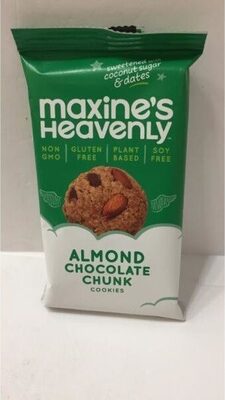
Foods that contain Organic Coconut Nectar
Compare products →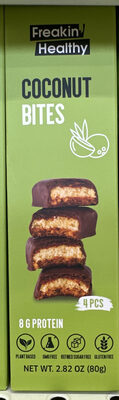
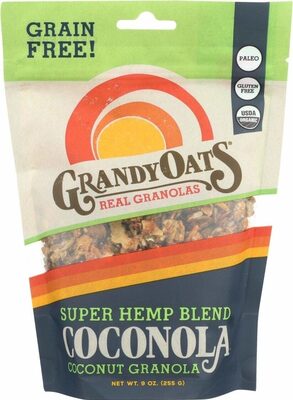
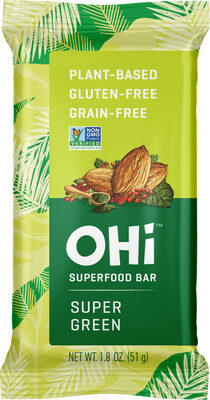
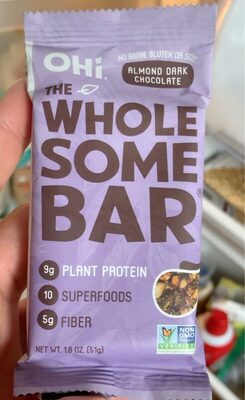
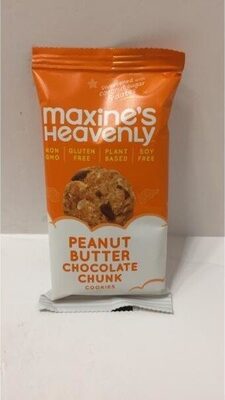
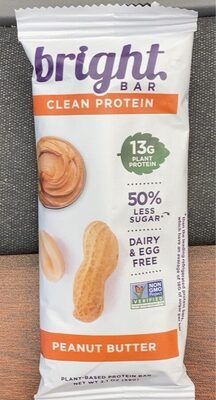
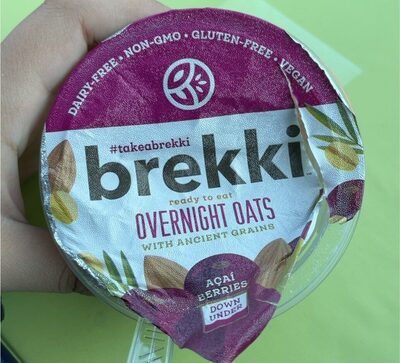
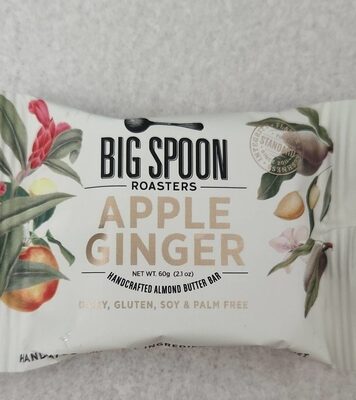
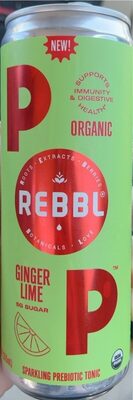
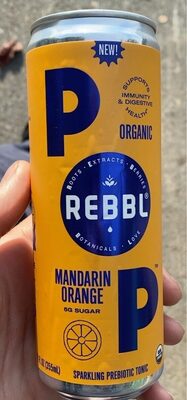
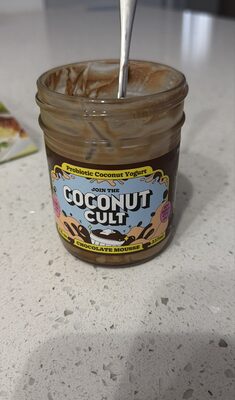
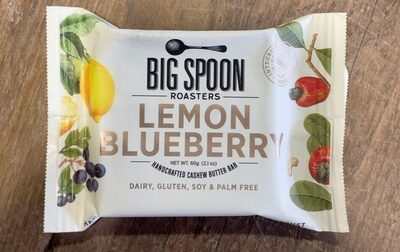
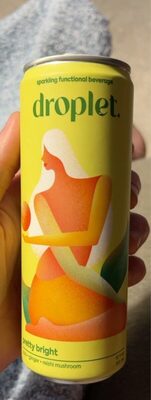
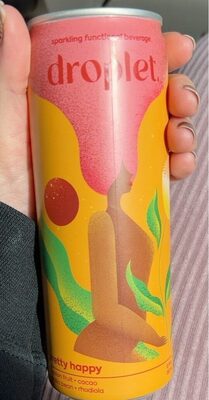
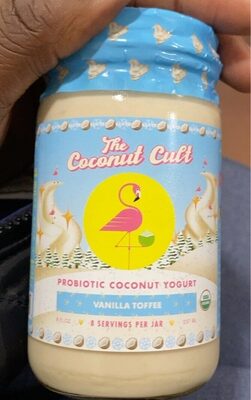
Learn more
Auto-generated content. This description was generated automatically and is pending editorial review. Inaccuracies are possible. Found a mistake? Contact us.