Organic Collards
Auto-generated content. This description was generated automatically and is pending editorial review. Inaccuracies are possible. Found a mistake? Contact us.
What it is
Collards are a type of leafy green vegetable belonging to the Brassica family, which also includes kale and cabbage. They are a cool-season crop grown for their large, dark green leaves. The term "organic" means they are grown without synthetic pesticides or fertilizers.
Why it's used
Collards are typically used as a cooked green vegetable, often simmered with seasonings. In packaged foods, they might appear in mixed vegetable blends, prepared meals, or as a component in dishes like kimchi.
Health notes
Collard greens are a source of vitamins A, C, and K, as well as calcium and fiber. The U.S. Food and Drug Administration (FDA) generally recognizes fruits and vegetables as safe. International bodies like the Joint FAO/WHO Expert Committee on Food Additives (JECFA) and the European Food Safety Authority (EFSA) evaluate food ingredients, but specific evaluations for raw collard greens as a whole ingredient are not typically listed in the same way as isolated additives. No significant health concerns are associated with consuming collard greens at typical dietary levels.
Allergen info
Collard greens are not one of the nine major allergens recognized by the FDA. They do not contain gluten.
Products containing Organic Collards
Compare products →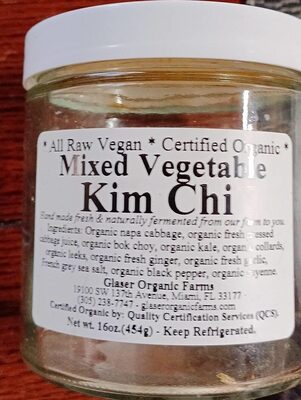 Glaser Farms
Mixed Vegetable Kim Chi, Mixed Vegetable
42kcal
2.8Protein
0Fat
8.4Carbs
Wegmans Food Markets, Inc.
Spring Mix
24kcal
2.4Protein
0Fat
2.4Carbs
Wegmans Food Markets, Inc.
Spinach Spring Mix
21kcal
2.8Protein
0Fat
2.8Carbs
Wegmans Food Markets, Inc.
Spinach Spring Mix
18kcal
2.4Protein
0Fat
2.4Carbs
Wegmans Food Markets, Inc.
Herb Spring Mix
25kcal
2.1Protein
0Fat
3.5Carbs
Wegmans Food Markets, Inc.
Spring Mix
25kcal
2.1Protein
0.5Fat
2.8Carbs
Solata Foods, LLC
Organic Power Greens
29kcal
3.5Protein
0Fat
5.9Carbs
Glaser Farms
Mixed Vegetable Kim Chi, Mixed Vegetable
42kcal
2.8Protein
0Fat
8.4Carbs
Wegmans Food Markets, Inc.
Spring Mix
24kcal
2.4Protein
0Fat
2.4Carbs
Wegmans Food Markets, Inc.
Spinach Spring Mix
21kcal
2.8Protein
0Fat
2.8Carbs
Wegmans Food Markets, Inc.
Spinach Spring Mix
18kcal
2.4Protein
0Fat
2.4Carbs
Wegmans Food Markets, Inc.
Herb Spring Mix
25kcal
2.1Protein
0Fat
3.5Carbs
Wegmans Food Markets, Inc.
Spring Mix
25kcal
2.1Protein
0.5Fat
2.8Carbs
Solata Foods, LLC
Organic Power Greens
29kcal
3.5Protein
0Fat
5.9Carbs