Organic Color
What is Organic Color?
Organic color refers to colorants derived from natural sources like fruits, vegetables, roots, and minerals. These are processed using methods that adhere to organic farming and processing standards, avoiding synthetic pesticides and fertilizers. They are used to impart or enhance the color of food products.
Is Organic Color gluten-free?
They do not contain gluten.
Is Organic Color a major allergen?
Organic colors are not derived from the nine FDA major allergens.
What is Organic Color used for?
Manufacturers use organic colors to make foods more visually appealing.
Is Organic Color safe?
Organic colors are generally recognized as safe (GRAS) by the FDA for use in food.
Why it's used
Manufacturers use organic colors to make foods more visually appealing. They are commonly found in products where consumers expect natural ingredients, such as organic candies, baked goods, and beverages. They function solely to provide color.
Health notes
Organic colors are generally recognized as safe (GRAS) by the FDA for use in food. Regulatory bodies like the FDA and EFSA have evaluated many natural colorants. Evidence suggests that natural colors, when consumed in typical amounts, do not pose significant health risks for most people. Some studies have explored potential links between certain food colorings and hyperactivity in children, but findings are mixed and often involve synthetic colors.
Allergen info
Organic colors are not derived from the nine FDA major allergens. They do not contain gluten.
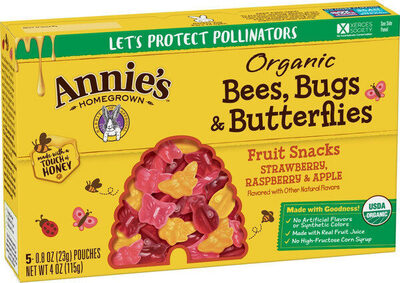
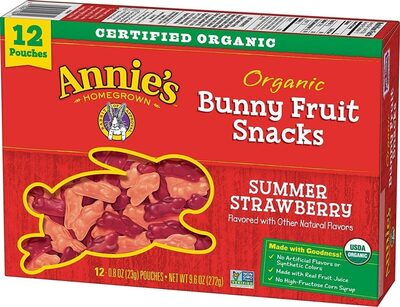
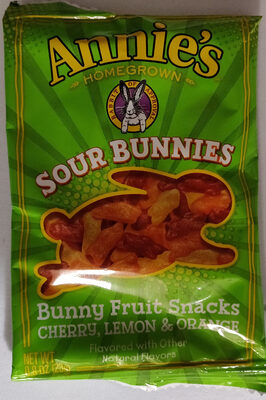
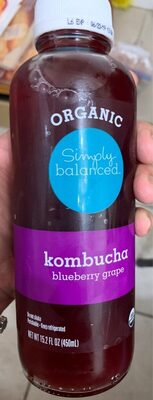
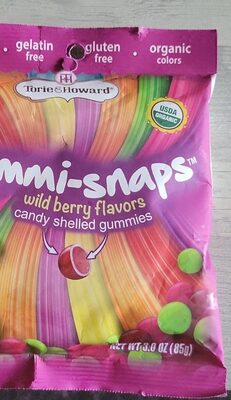
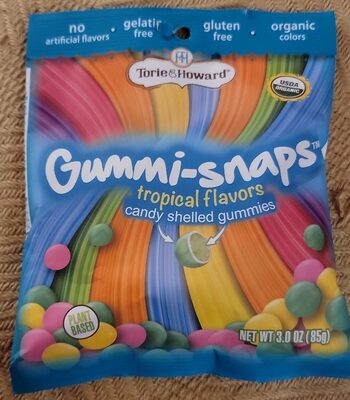
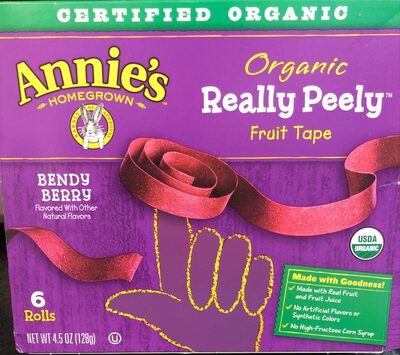
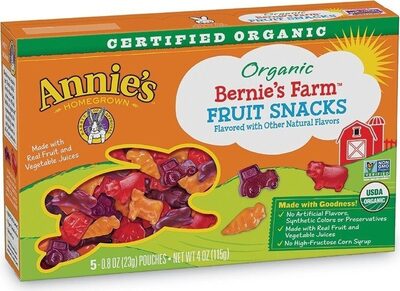
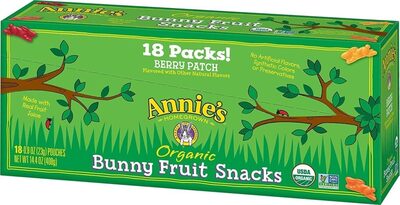
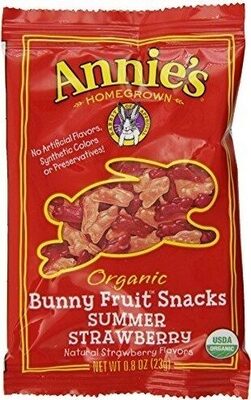
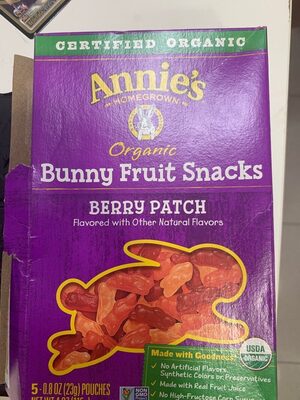
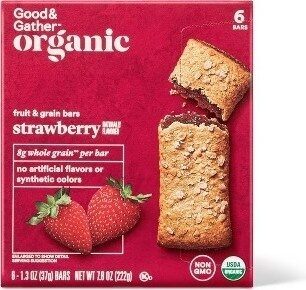
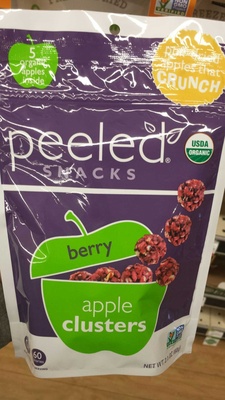
Foods that contain Organic Color
Compare products →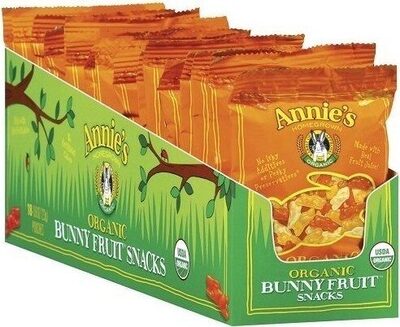




Learn more
Auto-generated content. This description was generated automatically and is pending editorial review. Inaccuracies are possible. Found a mistake? Contact us.