Organic Glycerine
Auto-generated content. This description was generated automatically and is pending editorial review. Inaccuracies are possible. Found a mistake? Contact us.
What it is
Organic glycerine, also called organic glycerin, is a clear, colorless, odorless, viscous liquid. It is a sugar alcohol that can be produced from plant-based oils, such as organic soybean oil or organic palm oil, through a process called hydrolysis. It is also a byproduct of soap making.
Why it's used
Manufacturers add organic glycerine to foods as a humectant (to retain moisture), a solvent for flavors and colors, and a sweetener. It helps prevent foods from drying out and can improve texture. It is often found in baked goods, candies, frostings, and beverages.
Health notes
Organic glycerine is Generally Recognized As Safe (GRAS) by the FDA for use in food. It is metabolized differently than sugar and does not typically raise blood sugar levels. International bodies like JECFA have evaluated glycerine and established acceptable daily intake levels. At typical consumption levels, it is considered safe.
Allergen info
Glycerine is not derived from any of the nine FDA major allergens. It does not contain gluten.
Products containing Organic Glycerine
Compare products →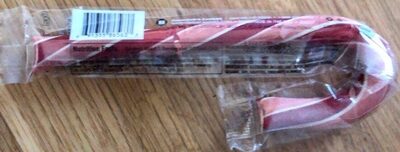 Hammond's Candies Since 1920, LLC
Organic Cherry Candies, Cherry
High in added sugars — 32% DV per serving
360kcal
0Protein
0Fat
92Carbs
Hammond's Candies Since 1920, LLC
Mint Candies, Mint
High in added sugars — 32% DV per serving
360kcal
0Protein
0Fat
92Carbs
The Kroger Co.
Sweet Tea Flavored Liquid Water Enhancer, Sweet Tea
333kcal
0Protein
0Fat
66.7Carbs
Hammond's Candies Since 1920, LLC
Cinnamon Candies, Cinnamon
High in added sugars — 32% DV per serving
360kcal
0Protein
0Fat
92Carbs
Foodlinks, Inc.
Peanuts & Caramel Organic Dark Chocolate Bar, Peanuts & Caramel
High in saturated fat — 35% DV per serving
High in added sugars — 34% DV per serving
460kcal
6Protein
26Fat
60Carbs
Ferrara Candy Company
Black Forest Organic, Organic Licorice Bites
359kcal
2.6Protein
2.6Fat
82.0Carbs
Hammond's Candies Since 1920, LLC
Organic Cherry Candies, Cherry
High in added sugars — 32% DV per serving
360kcal
0Protein
0Fat
92Carbs
Hammond's Candies Since 1920, LLC
Mint Candies, Mint
High in added sugars — 32% DV per serving
360kcal
0Protein
0Fat
92Carbs
The Kroger Co.
Sweet Tea Flavored Liquid Water Enhancer, Sweet Tea
333kcal
0Protein
0Fat
66.7Carbs
Hammond's Candies Since 1920, LLC
Cinnamon Candies, Cinnamon
High in added sugars — 32% DV per serving
360kcal
0Protein
0Fat
92Carbs
Foodlinks, Inc.
Peanuts & Caramel Organic Dark Chocolate Bar, Peanuts & Caramel
High in saturated fat — 35% DV per serving
High in added sugars — 34% DV per serving
460kcal
6Protein
26Fat
60Carbs
Ferrara Candy Company
Black Forest Organic, Organic Licorice Bites
359kcal
2.6Protein
2.6Fat
82.0Carbs
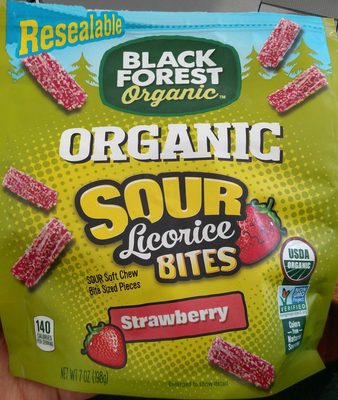 Ferrara Candy Company
Black Forest Organic, Organic Sour Licorice Bites, Strawberry, Strawberry
359kcal
2.6Protein
2.6Fat
82.0Carbs
Ferrara Candy Company
Black Forest Organic, Organic Sour Licorice Bites, Strawberry, Strawberry
359kcal
2.6Protein
2.6Fat
82.0Carbs