Organic Lolla Rosa
What is Organic Lolla Rosa?
Lolla Rosa is a variety of loose-leaf lettuce known for its frilly, red-tinged leaves. It is a leafy green vegetable grown as a crop. It is typically harvested and sold fresh for use in salads and other dishes.
Is Organic Lolla Rosa vegan?
Organic Lolla Rosa is not animal-derived. Products that contain it can still include other animal-derived ingredients, so check the full ingredient list.
Is Organic Lolla Rosa gluten-free?
It does not contain gluten.
Is Organic Lolla Rosa a major allergen?
Lolla Rosa is a leafy green vegetable and is not derived from any of the 9 FDA major allergens.
What is Organic Lolla Rosa used for?
Lolla Rosa is primarily used as a fresh ingredient in food products, adding color, texture, and a mild flavor.
Is Organic Lolla Rosa safe?
Lolla Rosa is a food ingredient and is generally recognized as safe by the FDA.
Why it's used
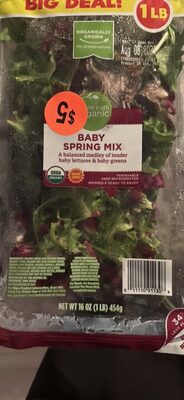
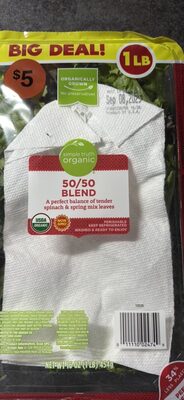
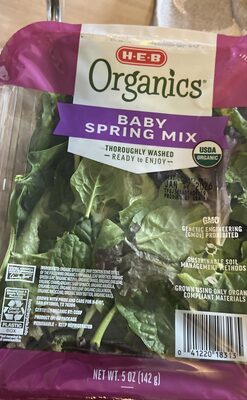
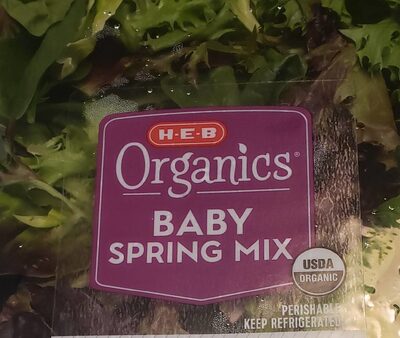
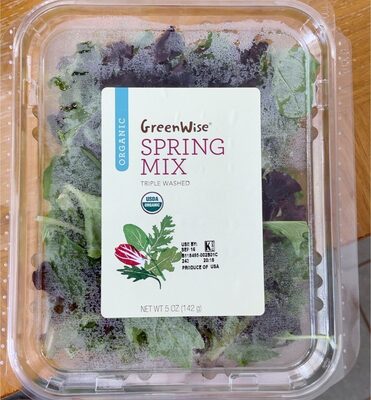
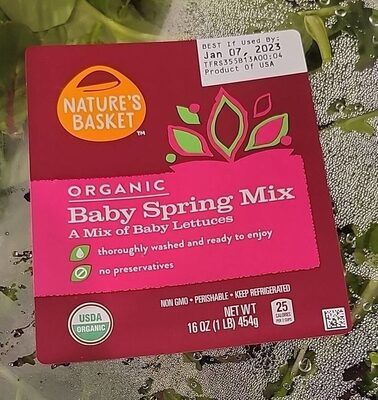
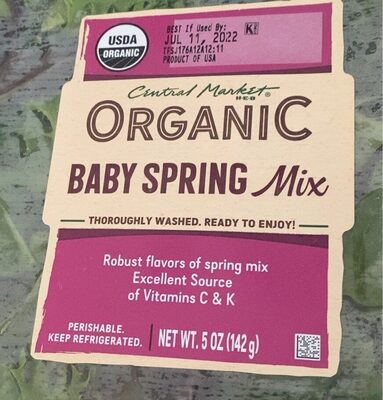
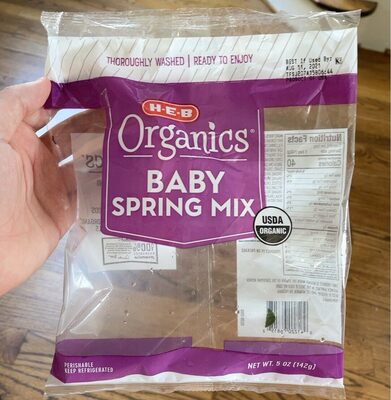
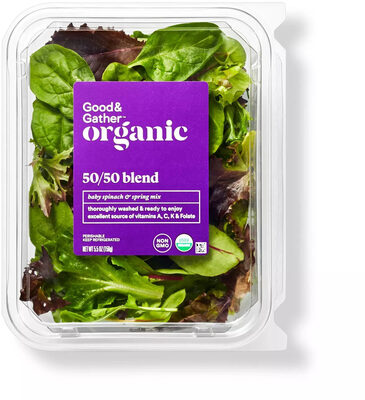
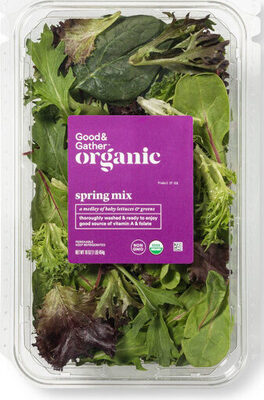
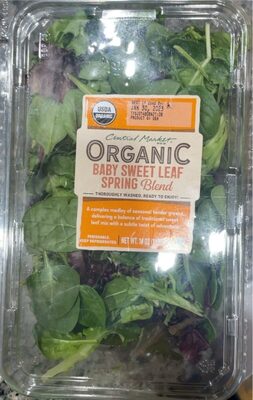
Lolla Rosa is primarily used as a fresh ingredient in food products, adding color, texture, and a mild flavor. It is commonly found in pre-packaged salad mixes, particularly those featuring a variety of leafy greens. It is also used in fresh produce sections of grocery stores.
Health notes
Lolla Rosa is a food ingredient and is generally recognized as safe by the FDA. It is a source of vitamins and minerals. Regulatory bodies like the WHO/IARC have not specifically evaluated Lolla Rosa for carcinogenicity. No significant health controversies are associated with the consumption of Lolla Rosa at typical intake levels.
Allergen info
Lolla Rosa is a leafy green vegetable and is not derived from any of the 9 FDA major allergens. It does not contain gluten.
Foods that contain Organic Lolla Rosa
Compare products →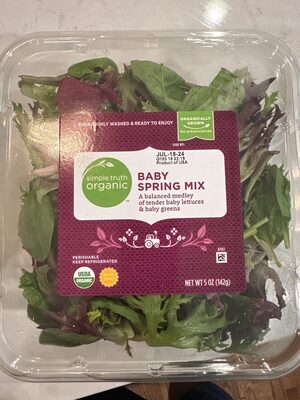
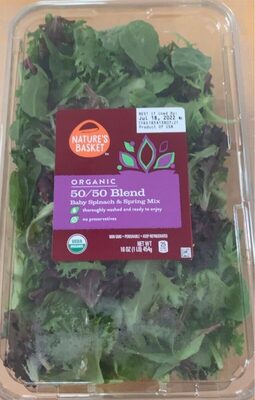
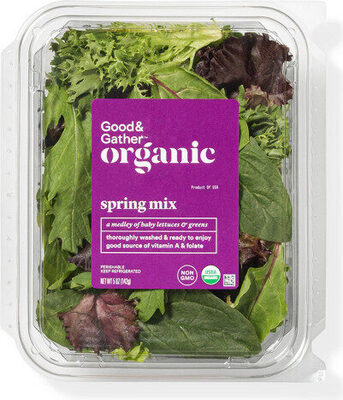
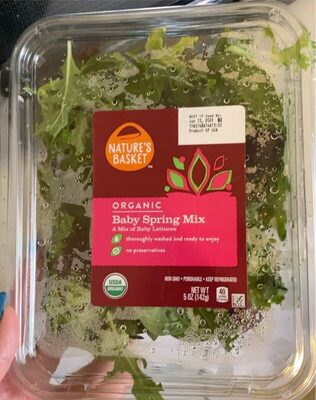
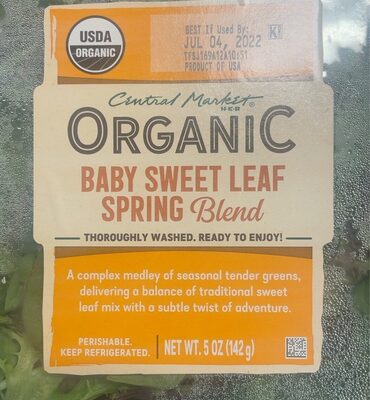
Auto-generated content. This description was generated automatically and is pending editorial review. Inaccuracies are possible. Found a mistake? Contact us.