Auto-generated content.
This description was generated automatically and is pending editorial review.
Inaccuracies are possible. Found a mistake? Contact us.
Source
Not animal-derived
Allergen
No
Role in food
Mustard is primarily used as a flavoring agent, adding a pungent, spicy, or tangy …
What it is
Organic mustard is made from the seeds of the mustard plant, which has been cultivated for thousands of years. The seeds are ground and mixed with other ingredients like vinegar, water, and spices to create a condiment. The 'organic' label means the mustard seeds and other ingredients were grown without synthetic pesticides or fertilizers.
Why it's used
Mustard is primarily used as a flavoring agent, adding a pungent, spicy, or tangy taste to foods. It is a common ingredient in salad dressings, mayonnaise, marinades, sauces, and as a condiment for meats and sandwiches. Manufacturers also use it to add color and act as an emulsifier in some products.
Health notes
Mustard is generally recognized as safe (GRAS) by the FDA for use in food. It is not typically associated with adverse health effects when consumed in amounts found in food. International bodies like JECFA have evaluated mustard and its components. Some research suggests potential benefits from compounds in mustard seeds, but more studies are needed.
Allergen info
Mustard is not one of the nine major allergens designated by the FDA. However, some individuals can be allergic to mustard. It does not contain gluten.
Note:
This site presents label data from USDA FoodData Central for general information. It is not medical advice.
Check the package label; formulations change.
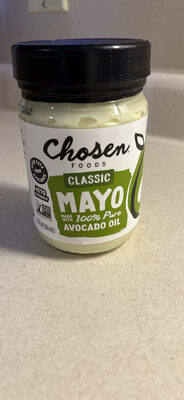 Chosen Foods, LLC
Classic Mayo, Classic
714kcal
0Protein
78.6Fat
0Carbs
Chosen Foods, LLC
Classic Mayo, Classic
714kcal
0Protein
78.6Fat
0Carbs