Organic Sheep's Milk
Auto-generated content. This description was generated automatically and is pending editorial review. Inaccuracies are possible. Found a mistake? Contact us.
What it is
Organic sheep's milk is milk produced by sheep raised under organic farming standards, meaning they are not given antibiotics or synthetic hormones and are fed organic feed. It is a white liquid produced by the mammary glands of female sheep. Sheep's milk is richer in fat and protein than cow's milk.
Why it's used
Sheep's milk is used to make cheese, yogurt, and butter. Its rich flavor and creamy texture make it ideal for artisanal cheeses like Pecorino Romano and Roquefort. It can also be used in baked goods and other dairy products.
Health notes
Sheep's milk is a source of protein, calcium, and other nutrients. The FDA considers milk from mammals, including sheep, to be generally recognized as safe (GRAS) for consumption. International bodies like EFSA have evaluated dairy products, and JECFA has evaluated milk constituents. Typical consumption as part of a balanced diet is not associated with adverse health effects.
Allergen info
Sheep's milk is derived from sheep and is a major allergen for individuals with a milk allergy. It does not contain gluten.
Products containing Organic Sheep's Milk
Compare products →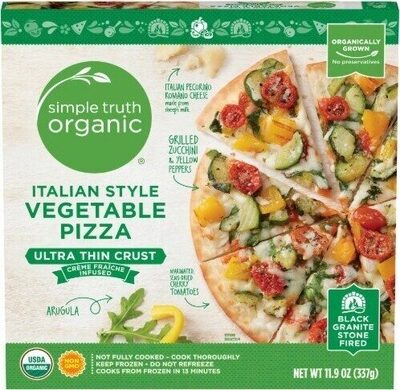 The Kroger Co.
Italian Style Vegetable Italian Pecorino Romano Cheese, Grilled Zucchini & Yellow Peppers, Marinated Semi-Dried Cherry Tomatoes, Arugula Creme Fraiche Infused Ultra Thin Crust Pizza, Italian Style Vegetable
High in sodium — 24% DV per serving
205kcal
6.2Protein
8.0Fat
28.6Carbs
The Kroger Co.
Italian Style Vegetable Italian Pecorino Romano Cheese, Grilled Zucchini & Yellow Peppers, Marinated Semi-Dried Cherry Tomatoes, Arugula Creme Fraiche Infused Ultra Thin Crust Pizza, Italian Style Vegetable
High in sodium — 24% DV per serving
205kcal
6.2Protein
8.0Fat
28.6Carbs
 BJ's Wholesale Club / Corporate Brands
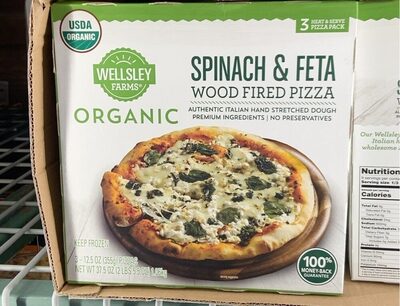
Spinach & Feta Organic Wood Fired Pizza, Spinach & Feta
203kcal
7.6Protein
7.6Fat
27.1Carbs
Spinach & Feta Organic Wood Fired Pizza, Spinach & Feta
203kcal
7.6Protein
7.6Fat
27.1Carbs
Target Stores
Spinach & Feta Cheese Pizza With Organic Spinach And Feta & Mozzarella Cheeses On A Wood-Fired, Hand Stretched Crust, Spinach & Feta Cheese
High in sodium — 31% DV per serving
High in saturated fat — 25% DV per serving
203kcal
13.0Protein
7.2Fat
23.9Carbs
BJ's Wholesale Club / Corporate Brands
Spinach & Feta Organic Wood Fired Pizza, Spinach & Feta
203kcal
7.6Protein
7.6Fat
27.1Carbs
Spinach & Feta Organic Wood Fired Pizza, Spinach & Feta
203kcal
7.6Protein
7.6Fat
27.1Carbs
Target Stores
Spinach & Feta Cheese Pizza With Organic Spinach And Feta & Mozzarella Cheeses On A Wood-Fired, Hand Stretched Crust, Spinach & Feta Cheese
High in sodium — 31% DV per serving
High in saturated fat — 25% DV per serving
203kcal
13.0Protein
7.2Fat
23.9Carbs
 The Kroger Co.
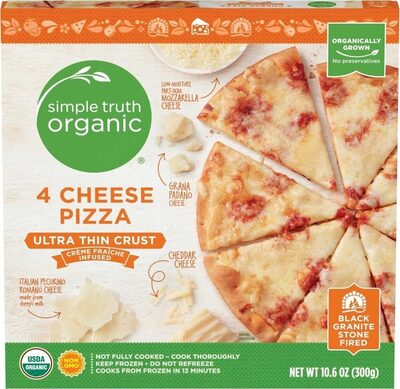
4 Cheese Low-Moisture Part-Skim Mozzarella Cheese, Grana Padano Cheese, Cheddar Cheese, Italian Pecorino Romano Cheese Creme Fraiche Infused Ultra Thin Crust Pizza, 4 Cheese
High in sodium — 37% DV per serving
High in saturated fat — 45% DV per serving
280kcal
9.3Protein
12.7Fat
33.3Carbs
The Kroger Co.
4 Cheese Low-Moisture Part-Skim Mozzarella Cheese, Grana Padano Cheese, Cheddar Cheese, Italian Pecorino Romano Cheese Creme Fraiche Infused Ultra Thin Crust Pizza, 4 Cheese
High in sodium — 37% DV per serving
High in saturated fat — 45% DV per serving
280kcal
9.3Protein
12.7Fat
33.3Carbs