Organic Sucrose
What is Organic Sucrose?
Organic sucrose is a simple carbohydrate, commonly known as table sugar. It is derived from organic sources such as sugarcane or sugar beets. The organic designation means it is produced without synthetic pesticides, herbicides, or fertilizers, and without genetically modified organisms.
Is Organic Sucrose vegan?
Organic Sucrose is not animal-derived. Products that contain it can still include other animal-derived ingredients, so check the full ingredient list.
Is Organic Sucrose gluten-free?
It does not contain gluten.
Is Organic Sucrose a major allergen?
Sucrose is not derived from any of the 9 FDA major allergens.
What is Organic Sucrose used for?
Sucrose is primarily used as a sweetener in a wide variety of foods and beverages, providing a sweet taste.
Is Organic Sucrose safe?
Sucrose is Generally Recognized As Safe (GRAS) by the FDA when used as a food ingredient.
Why it's used
Sucrose is primarily used as a sweetener in a wide variety of foods and beverages, providing a sweet taste. It also contributes to texture, browning, and acts as a preservative in some products. It is found in baked goods, candies, dairy products, and beverages.
Health notes
Sucrose is Generally Recognized As Safe (GRAS) by the FDA when used as a food ingredient. The World Health Organization (WHO) has stated that added sugars, including sucrose, should be reduced in the diet to limit the risk of adverse health effects. Excessive consumption of added sugars is linked to increased risk of dental cavities, weight gain, and other health concerns. JECFA and EFSA have evaluated sucrose and established acceptable intake levels.
Allergen info
Sucrose is not derived from any of the 9 FDA major allergens. It does not contain gluten.
Foods that contain Organic Sucrose
Compare products →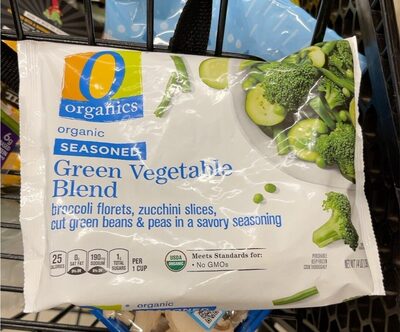
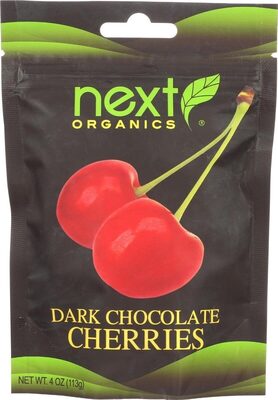
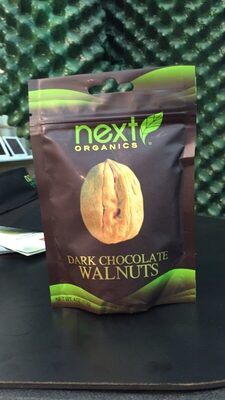
Learn more
Auto-generated content. This description was generated automatically and is pending editorial review. Inaccuracies are possible. Found a mistake? Contact us.