Organic Sugars
Auto-generated content. This description was generated automatically and is pending editorial review. Inaccuracies are possible. Found a mistake? Contact us.
What it is
Organic sugars are sweeteners derived from plants, such as sugarcane, beets, or fruits, that have been grown and processed according to organic farming standards. This means they are produced without synthetic pesticides, herbicides, or genetically modified organisms (GMOs). The term can refer to various types, including organic cane sugar, organic brown sugar, or organic fruit juice concentrates.
Why it's used
Manufacturers add organic sugars primarily for their sweet taste, enhancing the flavor of foods and beverages. They also contribute to texture, browning in baked goods, and can act as a preservative in certain products. They are commonly found in cereals, seasoning mixes, marinades, and pre-packaged fruits and vegetables.
Health notes
Sugars, including organic sugars, are generally recognized as safe (GRAS) by the FDA. The 2025-2030 Dietary Guidelines for Americans (DGA) recommend no amount of added sugars, and at most 10 grams of added sugars per meal. The World Health Organization (WHO) advises that free sugars should make up less than 10% of total energy intake. While organic sugars are processed differently, their nutritional impact on the body is similar to non-organic sugars, providing calories and impacting blood sugar levels.
Allergen info
Organic sugars are not derived from any of the 9 major FDA allergens (milk, egg, fish, shellfish, tree nuts, peanuts, wheat, soy, sesame) and do not contain gluten. Not a major allergen.
Products containing Organic Sugars
Compare products →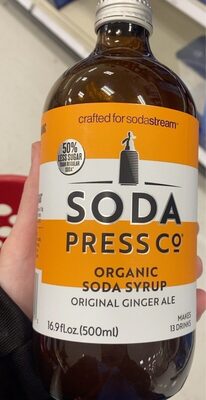 Blisspoint LLC
Original Ginger Ale Organic Soda Syrup, Ginger
High in added sugars — 22% DV per serving
132kcal
0.5Protein
0Fat
31.6Carbs
Blisspoint LLC
Original Ginger Ale Organic Soda Syrup, Ginger
High in added sugars — 22% DV per serving
132kcal
0.5Protein
0Fat
31.6Carbs