Organic Vodka
Auto-generated content. This description was generated automatically and is pending editorial review. Inaccuracies are possible. Found a mistake? Contact us.
What it is
Vodka is a distilled alcoholic beverage made from fermented grains (like wheat or rye) or potatoes. It is known for its high alcohol content and neutral flavor profile, which allows it to be used in a wide variety of dishes and drinks. The distillation process typically removes most impurities and congeners, resulting in a clear liquid.
Why it's used
Manufacturers add vodka to foods primarily for its flavor. It can add a subtle depth and complexity, especially to creamy sauces like vodka sauce, where it helps to emulsify the sauce and meld the flavors of tomatoes, cream, and other ingredients. It is also used in some baked goods and desserts.
Health notes
Vodka is generally recognized as safe (GRAS) by the FDA when used as a food ingredient. The primary health implication relates to its alcohol content. Excessive alcohol consumption is linked to numerous health problems. The Joint FAO/WHO Expert Committee on Food Additives (JECFA) has evaluated alcohol and its derivatives. Regulatory bodies do not typically set specific intake limits for vodka as a food ingredient separate from general alcohol consumption guidelines.
Allergen info
Vodka is typically made from grains like wheat or rye, which contain gluten. However, the distillation process is often effective at removing gluten proteins. Whether a specific vodka product is gluten-free can depend on the manufacturing process and any potential cross-contamination. It is not one of the 9 FDA major allergens.
Products containing Organic Vodka
Compare products →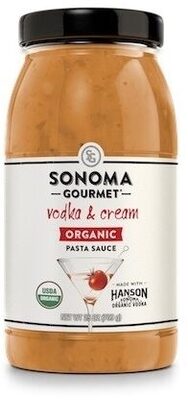 Sonoma Gourmet
Vodka & Cream Organic Pasta Sauce, Vodka & Cream
64kcal
1.6Protein
4Fat
6.4Carbs
Sonoma Gourmet
Vodka & Cream Organic Pasta Sauce, Vodka & Cream
64kcal
1.6Protein
4Fat
6.4Carbs
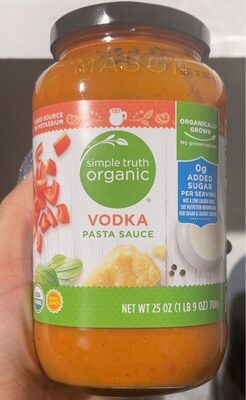 The Kroger Co.
Vodka Pasta Sauce, Vodka
High in sodium — 20% DV per serving
72kcal
2.4Protein
3.6Fat
8.8Carbs
Fratelli Mantova Fu Vincenzo
Vodka Organic Sauce, Vodka
56kcal
—Protein
3.2Fat
4Carbs
The Kroger Co.
Vodka Pasta Sauce, Vodka
High in sodium — 20% DV per serving
72kcal
2.4Protein
3.6Fat
8.8Carbs
Fratelli Mantova Fu Vincenzo
Vodka Organic Sauce, Vodka
56kcal
—Protein
3.2Fat
4Carbs