Organic Whole Rye
What is Organic Whole Rye?
Organic whole rye is a grain that includes the entire rye kernel—the bran, germ, and endosperm. It is grown without synthetic pesticides or fertilizers. The whole grain is typically milled into flour for use in food products.
Is Organic Whole Rye vegan?
Organic Whole Rye is not animal-derived. Products that contain it can still include other animal-derived ingredients, so check the full ingredient list.
Is Organic Whole Rye gluten-free?
Rye contains gluten and is therefore not suitable for individuals with celiac disease or gluten sensitivity.
What is Organic Whole Rye used for?
Manufacturers use whole rye flour as a base for baked goods, contributing a distinct nutty and slightly sour flavor.
Is Organic Whole Rye safe?
Rye is a source of dietary fiber and various nutrients.
Why it's used
Manufacturers use whole rye flour as a base for baked goods, contributing a distinct nutty and slightly sour flavor. It is commonly found in breads, pretzels, crackers, and some snack mixes, where it adds texture and a wholesome taste.
Health notes
Rye is a source of dietary fiber and various nutrients. Whole grains like rye are generally recognized as part of a healthy diet. Regulatory bodies have not set specific upper intake limits for whole rye consumption. It is considered safe for consumption.
Allergen info
Rye contains gluten and is therefore not suitable for individuals with celiac disease or gluten sensitivity. Wheat is a major allergen, and while rye is a different grain, cross-contamination can occur in facilities that process wheat.
Foods that contain Organic Whole Rye
Compare products →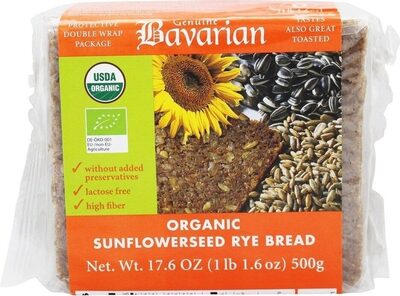 Masterfoods Specialties, Inc.
Organic Sunflowerseed Rye Bread
180kcal
6Protein
3Fat
36Carbs
Masterfoods Specialties, Inc.
Organic Sunflowerseed Rye Bread
180kcal
6Protein
3Fat
36Carbs
 The Hain Celestial Group, Inc.
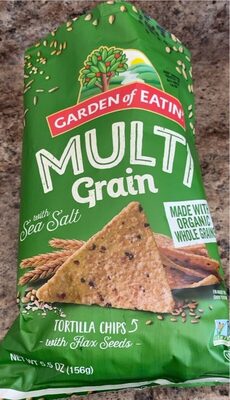
Multi Grain With Sea Salt Tortilla Chips, Multi Grain With Sea Salt
464kcal
7.1Protein
25Fat
60.7Carbs
The Hain Celestial Group, Inc.
Multi Grain Tortilla Chips With Sea Salt, Sea Salt
464kcal
7.1Protein
25Fat
60.7Carbs
The Hain Celestial Group, Inc.
Multi Grain With Sea Salt Tortilla Chips, Multi Grain With Sea Salt
464kcal
7.1Protein
25Fat
60.7Carbs
The Hain Celestial Group, Inc.
Multi Grain Tortilla Chips With Sea Salt, Sea Salt
464kcal
7.1Protein
25Fat
60.7Carbs
Learn more
Auto-generated content. This description was generated automatically and is pending editorial review. Inaccuracies are possible. Found a mistake? Contact us.