Organically Produced
What is Organically Produced?
The term 'organic' refers to a method of farming and food production that aims to avoid synthetic fertilizers, pesticides, genetically modified organisms (GMOs), and irradiation. Organic foods are produced using natural processes and materials, with strict standards set by regulatory bodies like the USDA.
Is Organically Produced a major allergen?
The term 'organic' does not indicate allergen status.
What is Organically Produced used for?
Manufacturers use the 'organic' label to appeal to consumers seeking foods produced with fewer synthetic inputs.
Is Organically Produced safe?
The 'organic' designation itself is a production standard, not a direct health claim.
Why it's used
Manufacturers use the 'organic' label to appeal to consumers seeking foods produced with fewer synthetic inputs. It is often seen on a wide variety of products, including produce, dairy, meats, grains, and processed foods like drinks, snacks, and seasonings, indicating that the ingredients used in the product meet organic standards.
Health notes
The 'organic' designation itself is a production standard, not a direct health claim. Regulatory bodies like the USDA certify that foods meet organic standards. While some studies suggest organic foods may have slightly higher levels of certain nutrients or antioxidants, and lower levels of pesticide residues, scientific consensus on significant health benefits compared to conventionally produced foods is mixed. Major health organizations do not make specific health recommendations based solely on organic versus conventional production methods.
Allergen info
The term 'organic' does not indicate allergen status. Whether a product labeled organic contains major allergens depends on its other ingredients. Not a major allergen.
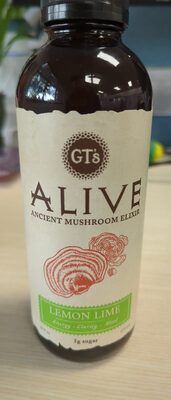
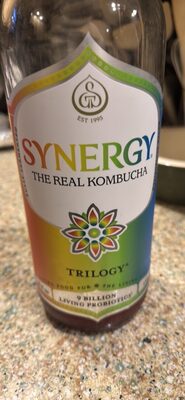
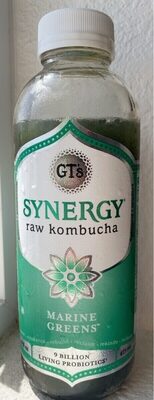
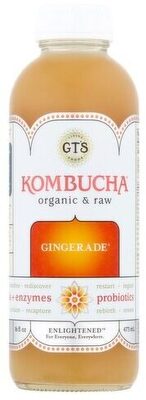
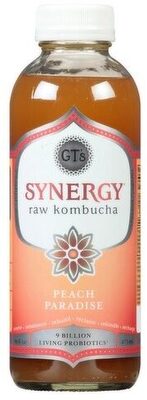
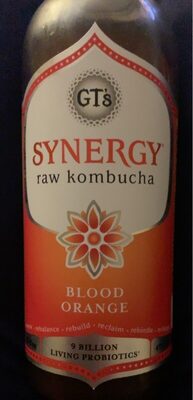
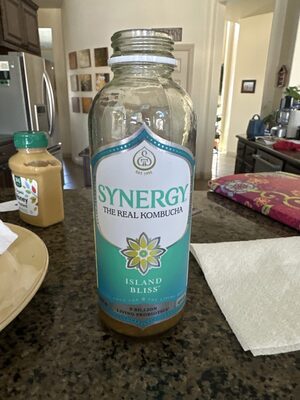
Foods that contain Organically Produced
Compare products →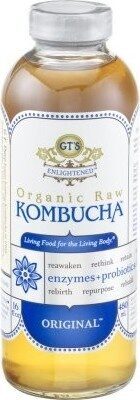
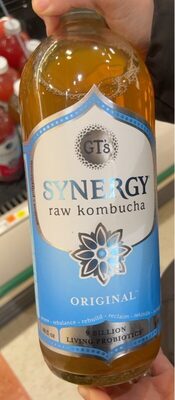
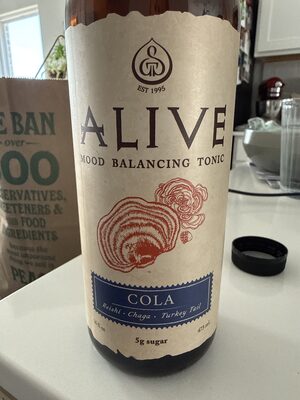
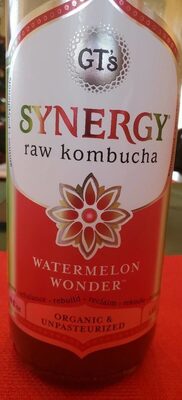
Auto-generated content. This description was generated automatically and is pending editorial review. Inaccuracies are possible. Found a mistake? Contact us.