Papaya Chunks
What is Papaya Chunks?
Papaya chunks are pieces of ripe papaya fruit, which is a tropical fruit native to Central America. The fruit is known for its soft, orange flesh and sweet flavor. For commercial use, papayas are typically peeled, seeded, and cut into bite-sized pieces, often canned or frozen.
Is Papaya Chunks vegan?
Papaya Chunks is not animal-derived. Products that contain it can still include other animal-derived ingredients, so check the full ingredient list.
Is Papaya Chunks gluten-free?
It does not contain gluten.
Is Papaya Chunks a major allergen?
Papaya is not one of the nine major allergens recognized by the FDA.
What is Papaya Chunks used for?
Papaya chunks are often used to add a sweet, tropical flavor and texture to food products.
Is Papaya Chunks safe?
Papaya is a natural fruit and is generally recognized as safe (GRAS) by the FDA when used as a food.
Why it's used
Papaya chunks are often used to add a sweet, tropical flavor and texture to food products. They are commonly found in fruit salads, canned fruit mixes, trail mixes, and as a topping for yogurt or ice cream. Manufacturers may also use them in baked goods or smoothies.
Health notes
Papaya is a natural fruit and is generally recognized as safe (GRAS) by the FDA when used as a food. It is a source of vitamins, minerals, and fiber. International bodies like JECFA and EFSA have evaluated papayas as food. There are no widespread health controversies associated with consuming papaya in typical amounts.
Allergen info
Papaya is not one of the nine major allergens recognized by the FDA. It does not contain gluten.
Foods that contain Papaya Chunks
Compare products →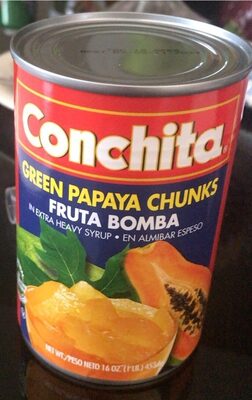
Auto-generated content. This description was generated automatically and is pending editorial review. Inaccuracies are possible. Found a mistake? Contact us.