Papaya
What is Papaya?
Papaya is a tropical fruit native to Mexico and Central America, known for its sweet, musky flavor and soft, buttery texture. The fruit grows on a large, herbaceous plant, Carica papaya. It is typically eaten fresh, but can also be juiced, dried, or used in smoothies and other dishes.
Is Papaya vegan?
Papaya is not animal-derived. Products that contain it can still include other animal-derived ingredients, so check the full ingredient list.
Is Papaya gluten-free?
It does not contain gluten.
Is Papaya a major allergen?
Papaya is not one of the nine major allergens recognized by the FDA.
What is Papaya used for?
Papaya is used as a natural sweetener and flavor enhancer in a variety of foods, including fruit salads, yogurts, smoothies, and desserts.
Is Papaya safe?
Papaya is generally recognized as safe (GRAS) by the FDA for use as a food ingredient.
Why it's used
Papaya is used as a natural sweetener and flavor enhancer in a variety of foods, including fruit salads, yogurts, smoothies, and desserts. It can also be found in some savory dishes, particularly in Asian cuisine, where it adds a unique tropical note. Its enzymes can also be used as a meat tenderizer.
Health notes
Papaya is generally recognized as safe (GRAS) by the FDA for use as a food ingredient. It is a good source of vitamins A and C, and contains fiber. While generally considered healthy, some individuals may experience digestive upset if they consume large amounts of papaya due to its enzyme content. JECFA and EFSA have evaluated papaya and its components, but have not set specific limits for typical dietary intake.
Allergen info
Papaya is not one of the nine major allergens recognized by the FDA. It does not contain gluten.
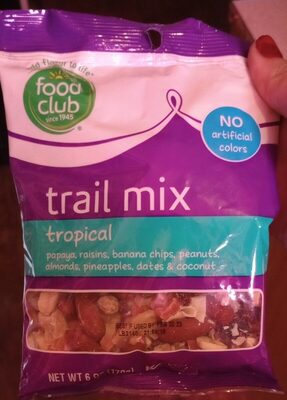
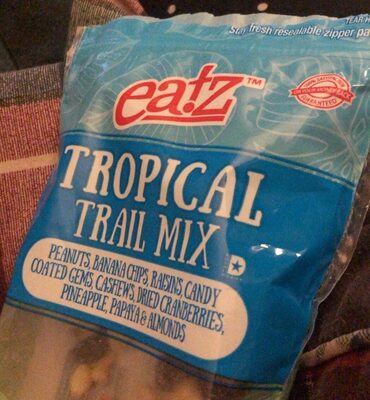
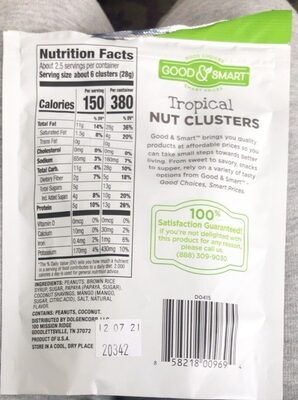
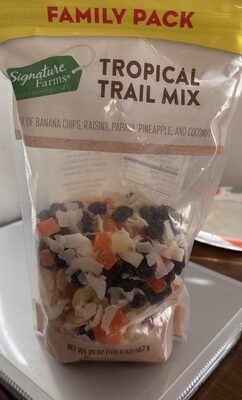
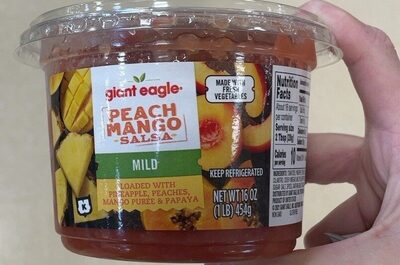
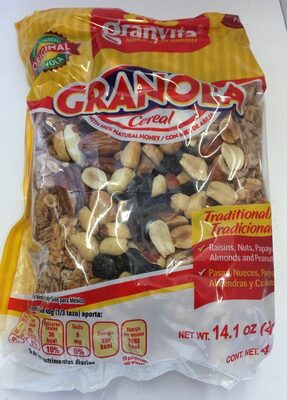
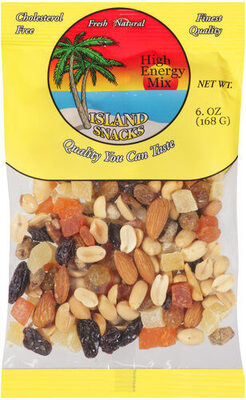
Foods that contain Papaya
Compare products →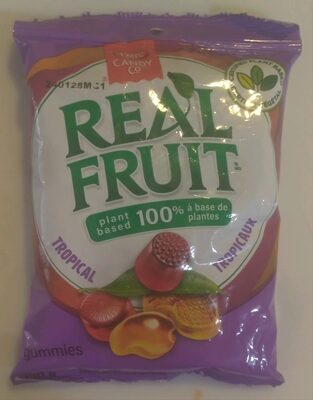
 Britannia
Fruit Cake
High in saturated fat — 20% DV per serving
373kcal
3.6Protein
16.4Fat
50.9Carbs








Auto-generated content. This description was generated automatically and is pending editorial review. Inaccuracies are possible. Found a mistake? Contact us.