Paprika Coloring
Auto-generated content. This description was generated automatically and is pending editorial review. Inaccuracies are possible. Found a mistake? Contact us.
What it is
Paprika coloring is derived from the ground pods of the Capsicum annuum plant, the same plant that yields paprika spice. The coloring agent is typically extracted using solvents, and the resulting pigment can range in hue from bright orange-red to deep red.
Why it's used
Manufacturers use paprika coloring to add or restore a red or orange-red color to foods. It is commonly found in processed meats, sauces, snacks like popcorn and peanuts, and seasoning mixes where a vibrant appearance is desired.
Health notes
Paprika coloring is generally recognized as safe (GRAS) by the FDA for use in food. It is primarily composed of carotenoids, which are antioxidants. Regulatory bodies like JECFA and EFSA have evaluated paprika and its extracts, and they are permitted for use in many countries. No significant health concerns are associated with its consumption at typical levels found in food.
Allergen info
Paprika coloring is not derived from any of the nine FDA major allergens and does not contain gluten.
Products containing Paprika Coloring
Compare products →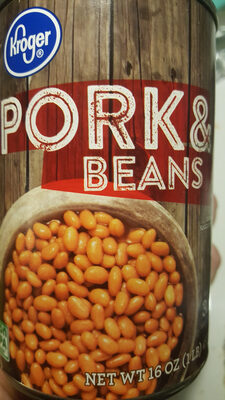 The Kroger Co.
Pork & Beans
High in sodium — 21% DV per serving
116kcal
3.9Protein
2.3Fat
21.7Carbs
Family Food Company, Inc.
Family Food Co, Corn Snack
583kcal
0Protein
33.3Fat
50Carbs
Publix Super Markets, Inc.
Pork & Beans
100kcal
5.4Protein
0.8Fat
18.5Carbs
Seoul Trading, Instant Seasoning
400kcal
40Protein
0Fat
40Carbs
Meijer, Inc.
Low Fat Pork & Beans
108kcal
4.6Protein
1.5Fat
18.5Carbs
The Kroger Co.
Pork & Beans
High in sodium — 21% DV per serving
116kcal
3.9Protein
2.3Fat
21.7Carbs
Family Food Company, Inc.
Family Food Co, Corn Snack
583kcal
0Protein
33.3Fat
50Carbs
Publix Super Markets, Inc.
Pork & Beans
100kcal
5.4Protein
0.8Fat
18.5Carbs
Seoul Trading, Instant Seasoning
400kcal
40Protein
0Fat
40Carbs
Meijer, Inc.
Low Fat Pork & Beans
108kcal
4.6Protein
1.5Fat
18.5Carbs