Parmesan Cheese Aged 10 Months Or More
Auto-generated content. This description was generated automatically and is pending editorial review. Inaccuracies are possible. Found a mistake? Contact us.
What it is
Parmesan cheese, also known as Parmigiano-Reggiano, is a hard, granular cheese traditionally made in Italy from cow's milk. It is aged for a minimum of 12 months, and often much longer, developing a complex, nutty, and salty flavor. The aging process allows enzymes to break down proteins and fats, creating its characteristic texture and taste.
Why it's used
Manufacturers use aged Parmesan cheese primarily as a flavoring ingredient, adding a savory, umami taste to a wide range of foods. It is commonly found in pasta dishes, sauces, dips, soups, and baked goods, often grated or shaved over the top. Its distinct flavor also makes it a popular choice for cheese spreads and savory snacks.
Health notes
Parmesan cheese is a natural food ingredient and is generally recognized as safe (GRAS) by the FDA for its intended use. It is a source of protein, calcium, and other nutrients. Regulatory bodies like EFSA and JECFA have evaluated many cheese products, but specific evaluations for 'Parmesan cheese aged 10 months or more' as a distinct ingredient are not typically listed. Like all dairy products, it contains lactose and saturated fat.
Allergen info
Parmesan cheese is derived from milk, which is one of the 9 FDA major allergens. It does not contain gluten.
Products containing Parmesan Cheese Aged 10 Months Or More
Compare products →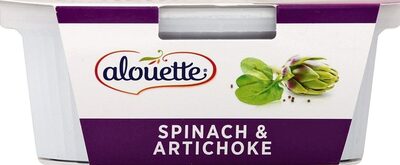 Savencia Cheese USA LLC
Spinach & Artichoke Soft Spreadable Cheese, Spinach & Artichoke
High in saturated fat — 25% DV per serving
300kcal
6.7Protein
30Fat
6.7Carbs
Savencia Cheese USA LLC
Spinach & Artichoke Soft Spreadable Cheese, Spinach & Artichoke
High in saturated fat — 25% DV per serving
300kcal
6.7Protein
30Fat
6.7Carbs