Parmesan Cheese Made From Cow's Milk
Auto-generated content. This description was generated automatically and is pending editorial review. Inaccuracies are possible. Found a mistake? Contact us.
What it is
Parmesan cheese is a hard, dry cheese typically made from cow's milk. It is produced by heating milk, adding rennet to coagulate it, and then aging the cheese for at least 12 months. The aging process develops its characteristic sharp, nutty flavor and granular texture.
Why it's used
Manufacturers use Parmesan cheese as a flavoring ingredient, adding a savory, umami taste to foods. It is commonly found in pasta dishes, salad dressings, soups, and as a topping for baked goods like bread and muffins. Its grated form also makes it easy to incorporate into spice blends and seasoned coatings.
Health notes
Parmesan cheese is generally recognized as safe (GRAS) by the FDA as a food ingredient. It is a source of protein, calcium, and other nutrients. The Joint FAO/WHO Expert Committee on Food Additives (JECFA) has evaluated cheese and related products. Typical consumption as part of a balanced diet is not associated with adverse health effects.
Allergen info
Parmesan cheese is derived from cow's milk, which is one of the nine FDA major allergens. It does not contain gluten.
Products containing Parmesan Cheese Made From Cow's Milk
Compare products →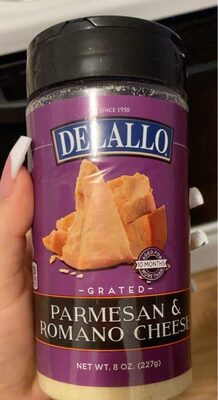 George DeLallo Co., Inc.
Parmesan & Romano Grated Cheese, Parmesan & Romano
400kcal
40Protein
30Fat
0Carbs
George DeLallo Co., Inc.
Grated Parmesan Cheese
400kcal
40Protein
30Fat
0Carbs
George DeLallo Co., Inc.
Parmesan & Romano Grated Cheese, Parmesan & Romano
400kcal
40Protein
30Fat
0Carbs
George DeLallo Co., Inc.
Grated Parmesan Cheese
400kcal
40Protein
30Fat
0Carbs
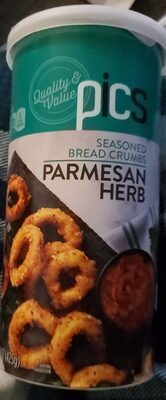 Price Chopper Supermarkets
Parmesan Herb Seasoned Bread Crumbs, Parmesan Herb
393kcal
14.3Protein
5.4Fat
71.4Carbs
Brakebush Brothers
Brakebush Perfect Answers NAE Italian Breaded Portioned Filets, Fully Cooked, Frozen, 4 oz. Avg.
High in sodium — 29% DV per serving
186kcal
15.9Protein
8.0Fat
12.4Carbs
Price Chopper Supermarkets
Parmesan Herb Seasoned Bread Crumbs, Parmesan Herb
393kcal
14.3Protein
5.4Fat
71.4Carbs
Brakebush Brothers
Brakebush Perfect Answers NAE Italian Breaded Portioned Filets, Fully Cooked, Frozen, 4 oz. Avg.
High in sodium — 29% DV per serving
186kcal
15.9Protein
8.0Fat
12.4Carbs