Parsely
What is Parsely?
Parsley is a bright, green herb that is widely used as a flavoring and garnish. It is native to the Mediterranean region but is now grown worldwide. The leaves, stems, and seeds are all edible.
Is Parsely vegan?
Parsely is not animal-derived. Products that contain it can still include other animal-derived ingredients, so check the full ingredient list.
Is Parsely gluten-free?
It does not contain gluten.
Is Parsely a major allergen?
Parsley is not one of the nine major allergens recognized by the FDA.
What is Parsely used for?
Parsley is primarily used to add a fresh, slightly peppery flavor to foods.
Is Parsely safe?
Parsley is generally recognized as safe (GRAS) by the FDA when used as a food ingredient.
Why it's used
Parsley is primarily used to add a fresh, slightly peppery flavor to foods. It is commonly found in seasoning mixes, sauces, soups, stews, and as a garnish for many dishes. It can also be used in marinades and rubs for meats and vegetables.
Health notes
Parsley is generally recognized as safe (GRAS) by the FDA when used as a food ingredient. It is a source of vitamins and antioxidants. International bodies like the European Food Safety Authority (EFSA) have also evaluated parsley and its components. While generally considered safe, consuming very large amounts of parsley might have some effects, but these are not typically seen with normal food use.
Allergen info
Parsley is not one of the nine major allergens recognized by the FDA. It does not contain gluten.
Foods that contain Parsely
Compare products →
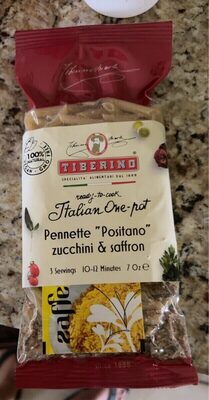 Tiberino
Italian One-Pot Pennette "Positano" Zucchini & Saffron
371kcal
13.0Protein
1.4Fat
74.7Carbs

Learn more
Auto-generated content. This description was generated automatically and is pending editorial review. Inaccuracies are possible. Found a mistake? Contact us.