Partially Hydrogenated Oils: Soybean
Auto-generated content. This description was generated automatically and is pending editorial review. Inaccuracies are possible. Found a mistake? Contact us.
What it is
Partially hydrogenated oils (PHOs) are fats created by adding hydrogen to liquid vegetable oils, such as soybean oil. This process, called hydrogenation, changes the oil's chemical structure, making it more solid at room temperature. The resulting oil contains trans fats, which are a type of unsaturated fat.
Why it's used
PHOs were historically used by food manufacturers to improve the texture, stability, and shelf life of many processed foods. They provided a solid fat structure for baked goods, fried foods, and spreads. Common foods that once contained PHOs included pastries, crackers, microwave popcorn, and some margarines.
Health notes
The FDA determined that partially hydrogenated oils (PHOs) are no longer Generally Recognized As Safe (GRAS) for use in food, with a compliance date of June 18, 2018. This action effectively removed most artificial trans fat from the US food supply due to concerns about its impact on heart health. The World Health Organization (WHO) has also called for the global elimination of industrially produced trans fats.
Allergen info
This ingredient is derived from soybean oil, which is one of the nine major food allergens identified by the FDA.
Products containing Partially Hydrogenated Oils: Soybean
Compare products →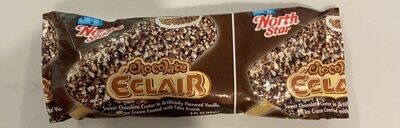 Prairie Farms Dairy, Inc.
Chocolate Eclair Sweet Chocolate Center In Artificially Flavored Vanilla Ice Cream Coated With Cake Crunch, Chocolate Eclair
High in saturated fat — 30% DV per serving
215kcal
3.1Protein
12.3Fat
23.1Carbs
Key Food Stores Co-Operative, Inc.
Mini Sandwiches, Vanilla Ice Cream
275kcal
5Protein
11.2Fat
37.5Carbs
Prairie Farms Dairy, Inc.
Strawberry Shortcake Sweet Strawberry Center In Flavored Vanilla Ice Cream Coated With Cake Crunch, Strawberry Shortcake
High in saturated fat — 30% DV per serving
215kcal
3.1Protein
13.8Fat
23.1Carbs
Wilcoxson's Ice Cream Co. Inc.
Chocolate Flavored Premium Ice Cream Sandwiches, Chocolate
225kcal
3.4Protein
10.1Fat
31.5Carbs
Prairie Farms Dairy, Inc.
Chocolate Eclair Sweet Chocolate Center In Artificially Flavored Vanilla Ice Cream Coated With Cake Crunch, Chocolate Eclair
High in saturated fat — 30% DV per serving
215kcal
3.1Protein
12.3Fat
23.1Carbs
Key Food Stores Co-Operative, Inc.
Mini Sandwiches, Vanilla Ice Cream
275kcal
5Protein
11.2Fat
37.5Carbs
Prairie Farms Dairy, Inc.
Strawberry Shortcake Sweet Strawberry Center In Flavored Vanilla Ice Cream Coated With Cake Crunch, Strawberry Shortcake
High in saturated fat — 30% DV per serving
215kcal
3.1Protein
13.8Fat
23.1Carbs
Wilcoxson's Ice Cream Co. Inc.
Chocolate Flavored Premium Ice Cream Sandwiches, Chocolate
225kcal
3.4Protein
10.1Fat
31.5Carbs
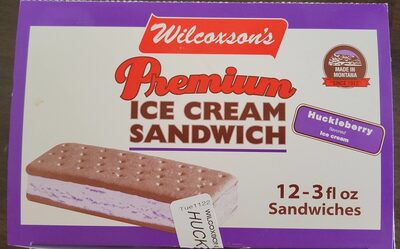 Wilcoxson's Ice Cream Co. Inc.
Huckleberry Flavored Premium Ice Cream Sandwich, Huckleberry
225kcal
3.4Protein
10.1Fat
31.5Carbs
Wilcoxson's Ice Cream Co. Inc.
Huckleberry Flavored Premium Ice Cream Sandwich, Huckleberry
225kcal
3.4Protein
10.1Fat
31.5Carbs