Passionflower
What is Passionflower?
Passionflower is a climbing vine native to the Americas, known for its unique, intricate flowers. The plant's leaves, stems, and flowers are used, often dried, for various purposes. It is commonly found in herbal teas and supplements.
Is Passionflower vegan?
Passionflower is not animal-derived. Products that contain it can still include other animal-derived ingredients, so check the full ingredient list.
Is Passionflower gluten-free?
Passionflower is not derived from any of the 9 major FDA allergens and does not contain gluten.
What is Passionflower used for?
Passionflower is primarily used as a flavoring agent in foods and beverages, particularly in herbal teas and functional drinks.
Is Passionflower safe?
Passionflower is generally recognized as safe (GRAS) by the FDA when used as a flavoring.
Why it's used
Passionflower is primarily used as a flavoring agent in foods and beverages, particularly in herbal teas and functional drinks. It is often chosen for its mild, pleasant taste and its association with relaxation. It is not typically used for its technical functions like preservation or emulsification.
Health notes
Passionflower is generally recognized as safe (GRAS) by the FDA when used as a flavoring. It has a long history of traditional use for calming effects. Scientific research into its health benefits is ongoing, with some studies suggesting potential anxiety-reducing properties, though more robust evidence is needed. JECFA has evaluated passionflower and has not set a numeric limit (ADI not specified).
Allergen info
Passionflower is not derived from any of the 9 major FDA allergens and does not contain gluten.
Foods that contain Passionflower
Compare products →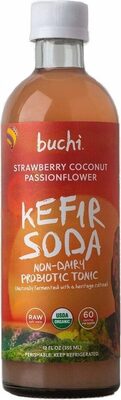 Asheville Kombucha Mamas, LLC
Strawberry Coconut Passionflower Kefir Soda Non-Dairy Probiotic Tonic, Strawberry Coconut Passionflower
17kcal
0.3Protein
0Fat
3.7Carbs
Now Health Group Inc.
Nighttime Mellow Caffeine-Free Herbal Tea Bags, Nighttime
0kcal
0Protein
0Fat
0Carbs
R. C. Bigelow, Inc.
Whispering Wildflowers Herbal Tea Bags
0kcal
0Protein
0Fat
0Carbs
Asheville Kombucha Mamas, LLC
Strawberry Coconut Passionflower Kefir Soda Non-Dairy Probiotic Tonic, Strawberry Coconut Passionflower
17kcal
0.3Protein
0Fat
3.7Carbs
Now Health Group Inc.
Nighttime Mellow Caffeine-Free Herbal Tea Bags, Nighttime
0kcal
0Protein
0Fat
0Carbs
R. C. Bigelow, Inc.
Whispering Wildflowers Herbal Tea Bags
0kcal
0Protein
0Fat
0Carbs
Auto-generated content. This description was generated automatically and is pending editorial review. Inaccuracies are possible. Found a mistake? Contact us.