Pearled Wheat
Auto-generated content. This description was generated automatically and is pending editorial review. Inaccuracies are possible. Found a mistake? Contact us.
What it is
Pearled wheat is a type of wheat grain that has been processed to remove the bran and germ. This leaves a more refined endosperm, which cooks faster and has a softer texture than whole wheat. It is a common ingredient in various cuisines.
Why it's used
Manufacturers use pearled wheat as a grain base or to add texture to dishes. It is often found in grain blends, pilafs, soups, and some baked goods. Its mild flavor and quick cooking time make it versatile.
Health notes
Pearled wheat is generally recognized as safe (GRAS) by the FDA for use in food. It is a source of carbohydrates and some fiber, though less than whole wheat. Regulatory bodies like JECFA and EFSA have evaluated wheat and its components. Evidence does not suggest adverse health effects from typical consumption.
Allergen info
Pearled wheat is a form of wheat and is therefore a major allergen. It also contains gluten, a protein found in wheat that can cause adverse reactions in individuals with celiac disease or gluten sensitivity.
Products containing Pearled Wheat
Compare products →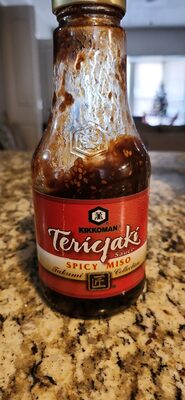 Kikkoman Sales USA, Inc.
Spicy Miso Teriyaki Sauce, Spicy Miso Teriyaki
High in sodium — 20% DV per serving
211kcal
5.3Protein
0Fat
36.8Carbs
Kikkoman Sales USA, Inc.
Spicy Miso Teriyaki Sauce, Spicy Miso Teriyaki
High in sodium — 20% DV per serving
211kcal
5.3Protein
0Fat
36.8Carbs
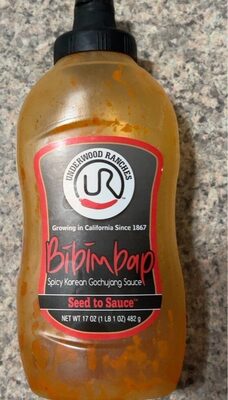 Underwood Ranches LP
Bibimbap Spicy Korean Gochujang Sauce, Bibimbap
147kcal
2.9Protein
0Fat
29.4Carbs
The Quaker Oats Co/golden Grain
Toasted Almond Rice Pilaf Mix, Toasted Almond
High in sodium — 25% DV per serving
375kcal
10.7Protein
5.4Fat
73.2Carbs
Kikkoman Sales USA, Inc.
Takumi Gochujang Spicy Miso Teriyaki Sauce
High in sodium — 20% DV per serving
237kcal
5.3Protein
5.3Fat
47.4Carbs
Underwood Ranches LP
Bibimbap Spicy Korean Gochujang Sauce, Bibimbap
147kcal
2.9Protein
0Fat
29.4Carbs
The Quaker Oats Co/golden Grain
Toasted Almond Rice Pilaf Mix, Toasted Almond
High in sodium — 25% DV per serving
375kcal
10.7Protein
5.4Fat
73.2Carbs
Kikkoman Sales USA, Inc.
Takumi Gochujang Spicy Miso Teriyaki Sauce
High in sodium — 20% DV per serving
237kcal
5.3Protein
5.3Fat
47.4Carbs