Penne Straws
What is Penne Straws?
Penne straws are a type of pasta shaped like short, hollow tubes, resembling penne pasta but often smaller and sometimes made with different flours. They are typically made from durum wheat semolina, water, and sometimes other grains or starches. The manufacturing process involves extruding dough through a die to create the desired shape, followed by drying and packaging.
Is Penne Straws vegan?
Penne Straws is not animal-derived. Products that contain it can still include other animal-derived ingredients, so check the full ingredient list.
Is Penne Straws gluten-free?
Also contains gluten.
Is Penne Straws a major allergen?
Contains wheat, a major allergen.
What is Penne Straws used for?
Penne straws are often used as a novelty pasta shape in packaged meals, particularly those marketed to children, such as mac and cheese or pasta with sauce.
Is Penne Straws safe?
Penne straws are primarily a source of carbohydrates.
Why it's used
Penne straws are often used as a novelty pasta shape in packaged meals, particularly those marketed to children, such as mac and cheese or pasta with sauce. They can also be found in snack mixes or as a crunchy snack item. Their hollow shape allows them to hold sauces well and adds a unique texture.
Health notes
Penne straws are primarily a source of carbohydrates. As a pasta product made from wheat, they contain gluten. The U.S. Food and Drug Administration (FDA) regulates pasta products to ensure they meet safety standards. While generally considered a safe food item, their nutritional value depends on the specific ingredients and preparation. Whole grain versions would offer more fiber and nutrients compared to refined grain versions.
Allergen info
Contains wheat, a major allergen. Also contains gluten.
Foods that contain Penne Straws
Compare products →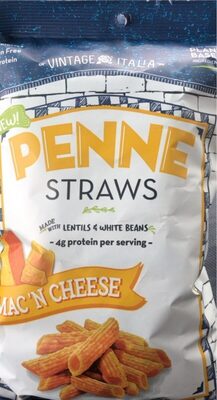
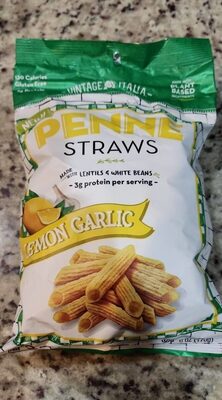
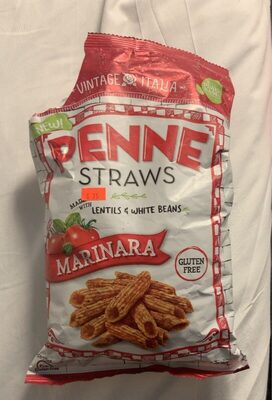
Learn more
Auto-generated content. This description was generated automatically and is pending editorial review. Inaccuracies are possible. Found a mistake? Contact us.