Peppercorn
What is Peppercorn?
Peppercorns are the dried berries of the Piper nigrum vine, native to South Asia. They are harvested when green, then dried, which causes them to turn black. Black pepper is one of the most common spices worldwide.
Is Peppercorn vegan?
Peppercorn is not animal-derived. Products that contain it can still include other animal-derived ingredients, so check the full ingredient list.
Is Peppercorn gluten-free?
They do not contain gluten.
Is Peppercorn a major allergen?
Peppercorns are not derived from any of the 9 FDA major allergens.
What is Peppercorn used for?
Peppercorns are primarily used as a spice to add a pungent, hot flavor to foods.
Is Peppercorn safe?
Peppercorns are generally recognized as safe (GRAS) by the FDA when used as a food ingredient.
Why it's used
Peppercorns are primarily used as a spice to add a pungent, hot flavor to foods. They are found in a wide variety of savory dishes, including meats, vegetables, sauces, and soups. They can be used whole, cracked, or ground.
Health notes
Peppercorns are generally recognized as safe (GRAS) by the FDA when used as a food ingredient. Piperine, the compound that gives black pepper its pungency, has been studied for potential health effects, but evidence is mixed and more research is needed. JECFA has evaluated piperine and did not set a numeric limit (ADI not specified).
Allergen info
Peppercorns are not derived from any of the 9 FDA major allergens. They do not contain gluten.
Foods that contain Peppercorn
Compare products →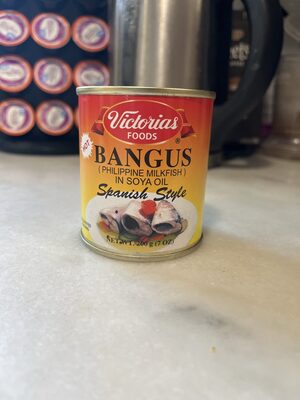
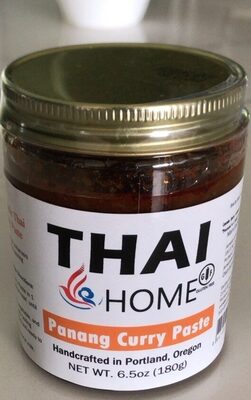
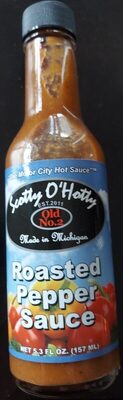
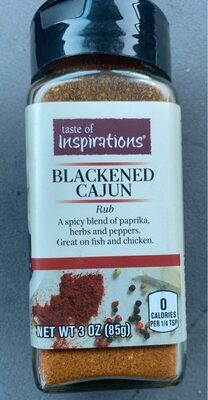
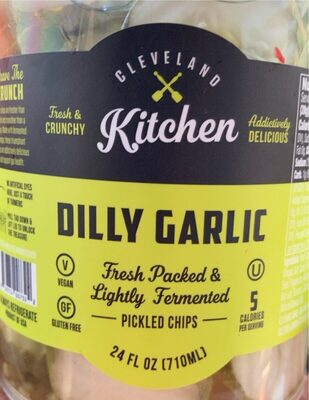
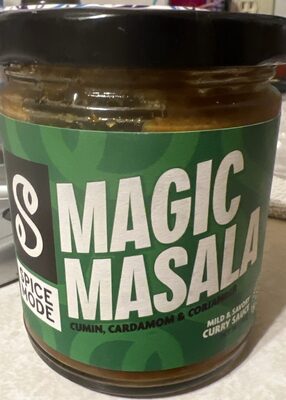
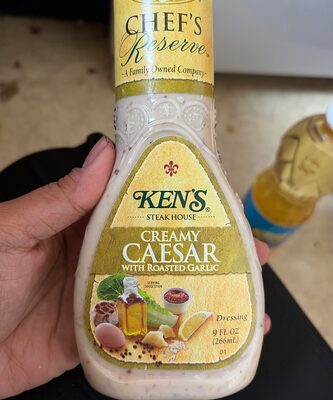
Learn more
Auto-generated content. This description was generated automatically and is pending editorial review. Inaccuracies are possible. Found a mistake? Contact us.