Pgpr: Peanuts
What is Pgpr: Peanuts?
PGPR, or polyglycerol polyricinoleate, is a food additive made from vegetable oil. It is produced by combining glycerol with ricinoleic acid, which is derived from castor beans. This process creates an emulsifier that helps blend ingredients that normally don't mix well, like oil and water.
Is Pgpr: Peanuts vegan?
Pgpr: Peanuts is not animal-derived. Products that contain it can still include other animal-derived ingredients, so check the full ingredient list.
Is Pgpr: Peanuts gluten-free?
It is also gluten-free.
Is Pgpr: Peanuts a major allergen?
PGPR is not derived from any of the nine major allergens.
What is Pgpr: Peanuts used for?
Manufacturers add PGPR to foods as an emulsifier, meaning it helps to evenly distribute fats and oils.
Is Pgpr: Peanuts safe?
PGPR is approved by the FDA as a food additive.
Why it's used
Manufacturers add PGPR to foods as an emulsifier, meaning it helps to evenly distribute fats and oils. This improves the texture and consistency of products, especially in chocolate and confectioneries. It is commonly found in candies, baked goods, and some dairy products.
Health notes
PGPR is approved by the FDA as a food additive. It is generally recognized as safe (GRAS) for use in food. Regulatory bodies like JECFA and EFSA have evaluated PGPR and found it safe for consumption at typical levels. There are no widespread controversies or significant health concerns associated with its use in food.
Allergen info
PGPR is not derived from any of the nine major allergens. It is also gluten-free.
Foods that contain Pgpr: Peanuts
Compare products →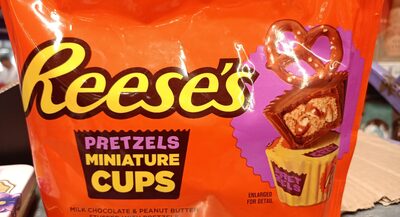 The Hershey Company
Milk Chocolate & Peanut Butter Stuffed With Pretzels Miniature Cups, Milk Chocolate & Peanut Butter
High in saturated fat — 20% DV per serving
High in added sugars — 34% DV per serving
500kcal
8.8Protein
26.5Fat
61.8Carbs
REESE'S
Peanut Butter Cups, Milk Chocolate
High in added sugars — 26% DV per serving
500kcal
11.5Protein
26.9Fat
57.7Carbs
The Hershey Company
Creamy Milk Chocolate & Peanut Butter Cups, Creamy Milk Chocolate & Peanut Butter
513kcal
10.3Protein
30.8Fat
56.4Carbs
The Hershey Company
Milk Chocolate & Peanut Butter Stuffed With Pretzels Miniature Cups, Milk Chocolate & Peanut Butter
High in saturated fat — 20% DV per serving
High in added sugars — 34% DV per serving
500kcal
8.8Protein
26.5Fat
61.8Carbs
REESE'S
Peanut Butter Cups, Milk Chocolate
High in added sugars — 26% DV per serving
500kcal
11.5Protein
26.9Fat
57.7Carbs
The Hershey Company
Creamy Milk Chocolate & Peanut Butter Cups, Creamy Milk Chocolate & Peanut Butter
513kcal
10.3Protein
30.8Fat
56.4Carbs
Learn more
Auto-generated content. This description was generated automatically and is pending editorial review. Inaccuracies are possible. Found a mistake? Contact us.