Pickled Carrot
What is Pickled Carrot?
Pickled carrots are carrots that have been preserved in a brine, typically made of vinegar, salt, and sugar. This process gives them a tangy flavor and a slightly softened texture. They are often made from common carrot varieties.
Is Pickled Carrot vegan?
Pickled Carrot is not animal-derived. Products that contain it can still include other animal-derived ingredients, so check the full ingredient list.
Is Pickled Carrot gluten-free?
Gluten is not present unless added during processing.
Is Pickled Carrot a major allergen?
Carrots are not one of the nine FDA major allergens.
What is Pickled Carrot used for?
Pickled carrots are used to add a bright, acidic, and slightly sweet flavor to dishes.
Is Pickled Carrot safe?
Carrots are a source of vitamins and fiber.
Why it's used
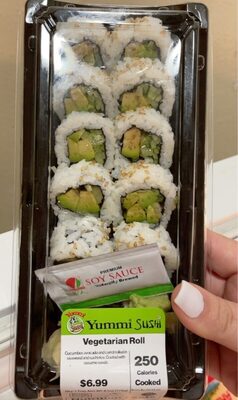
Pickled carrots are used to add a bright, acidic, and slightly sweet flavor to dishes. They are frequently found in sushi rolls, salads, sandwiches, and as a side dish or condiment, especially in Asian cuisine.
Health notes
Carrots are a source of vitamins and fiber. The pickling process itself does not typically add significant health risks at normal consumption levels. Regulatory bodies like JECFA and EFSA have evaluated many food additives used in pickling brines, but pickled carrots themselves are generally considered a safe food product. Evidence on the health effects of consuming pickled foods is mixed, with some studies suggesting potential benefits from fermentation and others noting concerns related to sodium content.
Allergen info
Carrots are not one of the nine FDA major allergens. Gluten is not present unless added during processing.
Foods that contain Pickled Carrot
Compare products →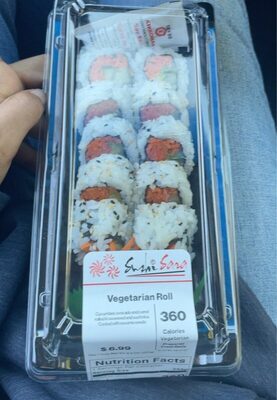
Auto-generated content. This description was generated automatically and is pending editorial review. Inaccuracies are possible. Found a mistake? Contact us.