Pickled Red Chilli
What is Pickled Red Chilli?
Pickled red chili peppers are whole or sliced chili peppers preserved in a brine of vinegar, salt, and often sugar and spices. The pickling process softens the peppers and gives them a tangy, slightly sour flavor while also preserving them.
Is Pickled Red Chilli vegan?
Pickled Red Chilli is not animal-derived. Products that contain it can still include other animal-derived ingredients, so check the full ingredient list.
Is Pickled Red Chilli a major allergen?
Not a major allergen.
What is Pickled Red Chilli used for?
Pickled red chilies are used to add a spicy, tangy flavor and a pop of color to various dishes.
Is Pickled Red Chilli safe?
Pickled red chilies are generally recognized as safe (GRAS) by the FDA when used as a food ingredient.
Why it's used
Pickled red chilies are used to add a spicy, tangy flavor and a pop of color to various dishes. They are commonly found in condiments like salsa, ketchup, and mustard, as well as in sauces for ethnic cuisines, dips, and as a garnish.
Health notes
Pickled red chilies are generally recognized as safe (GRAS) by the FDA when used as a food ingredient. The capsaicin in chili peppers, responsible for their heat, has been studied for various health effects, though evidence is mixed and not conclusive for specific benefits or harms at typical dietary levels. Regulatory bodies like EFSA have evaluated capsaicinoids, but no specific health claims are widely established for pickled chilies in the context of a balanced diet.
Allergen info
Not a major allergen. Chili peppers are botanically fruits and are not among the FDA's nine major food allergens.
Foods that contain Pickled Red Chilli
Compare products →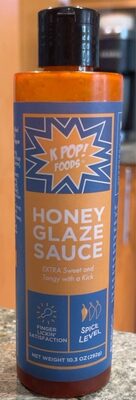
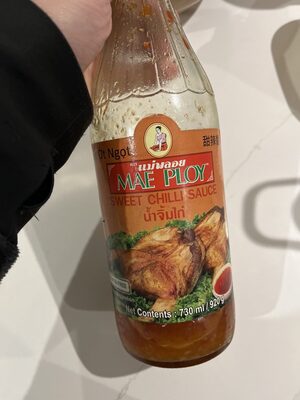
Auto-generated content. This description was generated automatically and is pending editorial review. Inaccuracies are possible. Found a mistake? Contact us.