Pickled Vegetables
Auto-generated content. This description was generated automatically and is pending editorial review. Inaccuracies are possible. Found a mistake? Contact us.
What it is
Pickled vegetables are vegetables preserved in brine (saltwater) or vinegar. This process involves submerging vegetables like cucumbers, onions, peppers, or cabbage in a solution that inhibits spoilage. The fermentation or pickling process can alter the texture and flavor of the vegetables.
Why it's used
Pickled vegetables are used to add a tangy, sour, or spicy flavor to dishes. They can also act as a preservative, extending the shelf life of the vegetables. Common uses include as a condiment, a side dish, or an ingredient in salads, sandwiches, and wraps.
Health notes
Pickled vegetables are generally recognized as safe (GRAS) by the FDA for their intended use. The high salt content in some pickled vegetables can be a concern for individuals monitoring sodium intake. The fermentation process can produce probiotics, which are beneficial bacteria. JECFA has evaluated some pickling agents like acetic acid and found them to be safe.
Allergen info
Pickled vegetables are not derived from any of the FDA's major allergens. Gluten is not typically present unless the vegetables are pickled with ingredients containing gluten.
Products containing Pickled Vegetables
Compare products →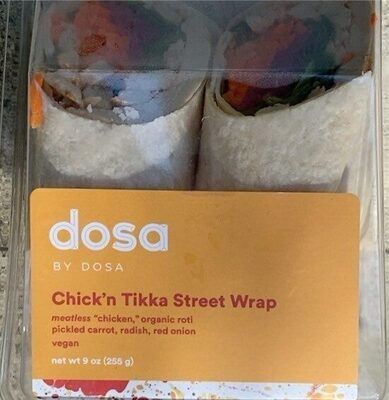 AEM Food and Beverage, Inc
Chicken Tikka Street Wrap, Chicken
High in sodium — 40% DV per serving
149kcal
8.2Protein
4.7Fat
19.2Carbs
AEM Food and Beverage, Inc
Chicken Tikka Street Wrap, Chicken
High in sodium — 40% DV per serving
149kcal
8.2Protein
4.7Fat
19.2Carbs
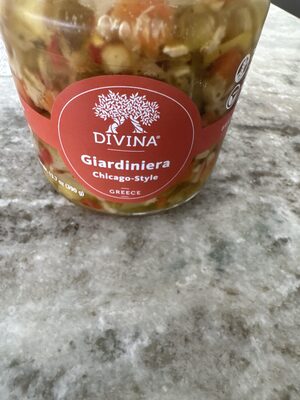 Food Match, Inc.
Chicago-Style Giardiniera, Chicago-Style
High in sodium — 22% DV per serving
200kcal
0Protein
20Fat
6.7Carbs
Food Match, Inc.
Chicago-Style Giardiniera, Chicago-Style
High in sodium — 22% DV per serving
200kcal
0Protein
20Fat
6.7Carbs