Pineapple Jelly
Auto-generated content. This description was generated automatically and is pending editorial review. Inaccuracies are possible. Found a mistake? Contact us.
What it is
Pineapple jelly is a fruit spread made primarily from pineapple juice, sugar, and pectin. The fruit juice provides the pineapple flavor and color, while sugar adds sweetness and helps with preservation. Pectin, a natural gelling agent found in fruits, is typically added to achieve the jelly's characteristic firm texture.
Why it's used
Manufacturers use pineapple jelly as a filling or topping in baked goods and desserts. Its sweet, fruity flavor enhances the taste of products like croissants, muffins, cakes, and cookies. It also adds moisture and a pleasant texture to these foods.
Health notes
Pineapple jelly is generally recognized as safe (GRAS) by the FDA when used as a food ingredient. It is primarily composed of sugar and fruit, and at typical consumption levels, it does not pose significant health risks. JECFA has evaluated pectin and set an acceptable daily intake. While high sugar intake is linked to various health concerns, this is not specific to the jelly itself but rather to its sugar content.
Allergen info
Pineapple jelly is not derived from any of the 9 FDA major allergens. It does not contain gluten.
Products containing Pineapple Jelly
Compare products →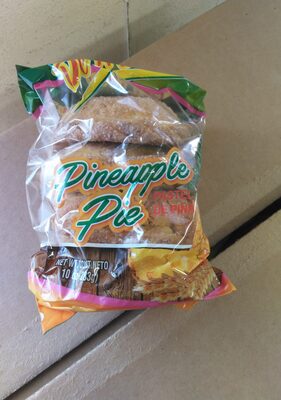 Global Garlic Inc.
Pastel De Pina
438kcal
7.1Protein
21.4Fat
52.4Carbs
Gotera, Inc.
Pineapple Tunover, Pineapple
409kcal
9.4Protein
18.8Fat
51.8Carbs
Lisa Produce
Sweet Pastry Filled With Pineapple Jelly, Sweet With Pineapple Jelly
15kcal
6Protein
12Fat
51Carbs
Global Garlic Inc.
Pastel De Pina
438kcal
7.1Protein
21.4Fat
52.4Carbs
Gotera, Inc.
Pineapple Tunover, Pineapple
409kcal
9.4Protein
18.8Fat
51.8Carbs
Lisa Produce
Sweet Pastry Filled With Pineapple Jelly, Sweet With Pineapple Jelly
15kcal
6Protein
12Fat
51Carbs