Plam Oil
Auto-generated content. This description was generated automatically and is pending editorial review. Inaccuracies are possible. Found a mistake? Contact us.
What it is
Palm oil is a vegetable oil derived from the fruit of oil palm trees, which are native to Africa but now grown in tropical regions worldwide. It is extracted from both the flesh (mesocarp) and the kernel of the fruit. Crude palm oil is reddish-orange due to its high beta-carotene content, but it is often refined to remove color, odor, and flavor for use in food products.
Why it's used
Palm oil is used in a wide variety of processed foods due to its semi-solid consistency at room temperature and its ability to improve texture and shelf life. It functions as a fat or oil, providing richness and mouthfeel in baked goods, confectionery, and processed snacks. It also helps prevent separation in products like chocolate and peanut butter.
Health notes
Palm oil is generally recognized as safe (GRAS) by the FDA for use in food. It is a source of saturated fat, and some studies suggest high intake of saturated fat may increase LDL cholesterol levels. However, the specific health effects of palm oil are debated, with some research indicating it may have different effects on cholesterol compared to other saturated fats. The WHO and EFSA have evaluated fats and oils, including those high in saturated fat, in the context of overall dietary patterns.
Allergen info
Palm oil is not derived from any of the 9 major allergens recognized by the FDA. It does not contain gluten.
Products containing Plam Oil
Compare products →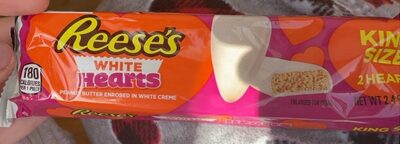 The Hershey Company
Peanut Butter Enrobed In White Creme Hearts,, Peanut Butter Enrobed In White Creme
529kcal
—Protein
32.4Fat
61.8Carbs
Schulze & Burch Biscuit Co.
Cherry Toaster Pastries, Cherry
High in saturated fat — 20% DV per serving
High in added sugars — 68% DV per serving
354kcal
3.1Protein
8.3Fat
63.5Carbs
Holiday Candy Corp, Inc.
Patriotic Gummi Stars
375kcal
7.5Protein
0Fat
85Carbs
The Hershey Company
Peanut Butter Enrobed In White Creme Hearts,, Peanut Butter Enrobed In White Creme
529kcal
—Protein
32.4Fat
61.8Carbs
Schulze & Burch Biscuit Co.
Cherry Toaster Pastries, Cherry
High in saturated fat — 20% DV per serving
High in added sugars — 68% DV per serving
354kcal
3.1Protein
8.3Fat
63.5Carbs
Holiday Candy Corp, Inc.
Patriotic Gummi Stars
375kcal
7.5Protein
0Fat
85Carbs