Popping Candy
What is Popping Candy?
Popping candy is a confection made from sugar, corn syrup, and flavoring that has been carbonated under pressure. When the candy dissolves in the mouth, the trapped carbon dioxide gas is released, creating a popping or crackling sensation.
Is Popping Candy vegan?
Popping Candy is not animal-derived. Products that contain it can still include other animal-derived ingredients, so check the full ingredient list.
Is Popping Candy gluten-free?
It does not contain gluten.
Is Popping Candy a major allergen?
Popping candy is not derived from any of the nine FDA major allergens.
What is Popping Candy used for?
Manufacturers add popping candy for its unique sensory experience, providing a fun, fizzy texture.
Is Popping Candy safe?
Popping candy is generally recognized as safe (GRAS) by the FDA for use in food.
Why it's used
Manufacturers add popping candy for its unique sensory experience, providing a fun, fizzy texture. It is most often found in novelty candies, chocolates, and sometimes in baked goods or beverages where a surprising sensation is desired.
Health notes
Popping candy is generally recognized as safe (GRAS) by the FDA for use in food. The primary ingredients are sugar and carbon dioxide, which are common in many confections. Regulatory bodies like JECFA and EFSA have evaluated similar ingredients, but specific evaluations for the 'popping' effect itself are not widely publicized. At typical consumption levels, it poses no unique health risks beyond those associated with high sugar intake.
Allergen info
Popping candy is not derived from any of the nine FDA major allergens. It does not contain gluten.
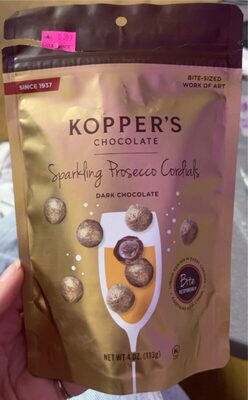
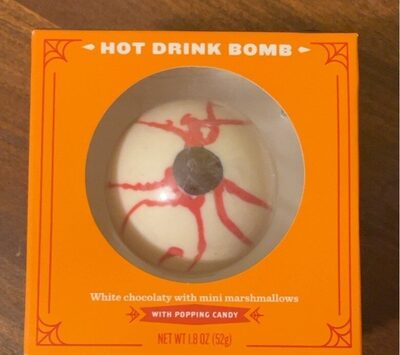
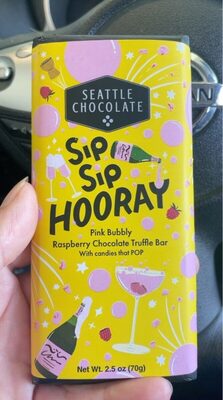
Foods that contain Popping Candy
Compare products →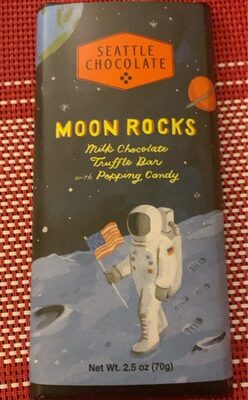
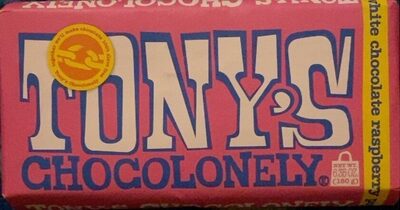
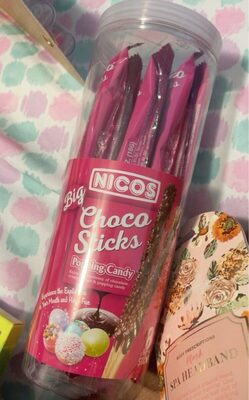
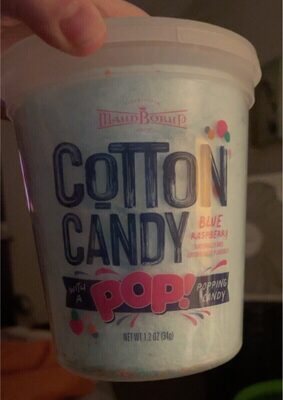
Auto-generated content. This description was generated automatically and is pending editorial review. Inaccuracies are possible. Found a mistake? Contact us.