Potassium Hydrogen L-tartrate
What is Potassium Hydrogen L-tartrate?
Potassium hydrogen L-tartrate is a salt of tartaric acid, a naturally occurring organic acid found in fruits like grapes. It is typically produced from cream of tartar, a byproduct of winemaking. It appears as a white crystalline powder.
Is Potassium Hydrogen L-tartrate vegan?
Potassium Hydrogen L-tartrate is not animal-derived. Products that contain it can still include other animal-derived ingredients, so check the full ingredient list.
Is Potassium Hydrogen L-tartrate gluten-free?
It does not contain gluten.
Is Potassium Hydrogen L-tartrate a major allergen?
Not a major allergen.
What is Potassium Hydrogen L-tartrate used for?
It is commonly used as a leavening agent in baking, often combined with baking soda to create baking powder.
Is Potassium Hydrogen L-tartrate safe?
Potassium hydrogen L-tartrate is generally recognized as safe (GRAS) by the FDA for use in food.
Why it's used
It is commonly used as a leavening agent in baking, often combined with baking soda to create baking powder. It helps baked goods rise and achieve a lighter texture. It can also be used as an acidity regulator and stabilizer in various food products.
Health notes
Potassium hydrogen L-tartrate is generally recognized as safe (GRAS) by the FDA for use in food. It is a source of potassium. The Joint FAO/WHO Expert Committee on Food Additives (JECFA) has evaluated potassium tartrates and found them to be safe for consumption. There are no widespread controversies or significant health concerns associated with its typical use in food.
Allergen info
Not a major allergen. It does not contain gluten.
Foods that contain Potassium Hydrogen L-tartrate
Compare products →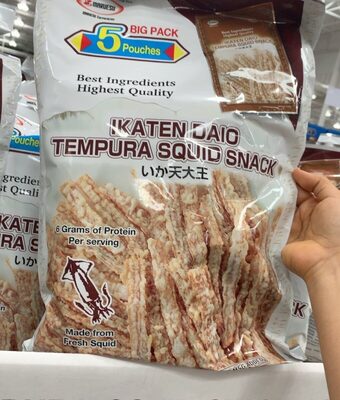 Tangico
Ikaten Daio Tempura Squid Snack
433kcal
20Protein
20Fat
40Carbs
Genji, Inc.
Tempura Crunch Spicy Shrimp, Tempura Crunch
High in sodium — 51% DV per serving
High in added sugars — 26% DV per serving
214kcal
4.1Protein
7.3Fat
33.6Carbs
Genji, Inc.
Spicy Shrimp Tempura Crunch Roll, Spicy Shrimp Tempura
High in sodium — 70% DV per serving
High in saturated fat — 25% DV per serving
178kcal
3.5Protein
6.2Fat
28.6Carbs
Genji, Inc.
Shrimp Tempura Crunch Cocktail Shrimp, Sushi Rice, Nori, BBQ Sauce, Spicy Mayo, Fried Onion, Scallions, Sesame Seeds Roll, Shrimp Tempura Crunch
High in sodium — 49% DV per serving
High in added sugars — 22% DV per serving
203kcal
5.1Protein
6.9Fat
29.9Carbs
Tangico
Ikaten Daio Tempura Squid Snack
433kcal
20Protein
20Fat
40Carbs
Genji, Inc.
Tempura Crunch Spicy Shrimp, Tempura Crunch
High in sodium — 51% DV per serving
High in added sugars — 26% DV per serving
214kcal
4.1Protein
7.3Fat
33.6Carbs
Genji, Inc.
Spicy Shrimp Tempura Crunch Roll, Spicy Shrimp Tempura
High in sodium — 70% DV per serving
High in saturated fat — 25% DV per serving
178kcal
3.5Protein
6.2Fat
28.6Carbs
Genji, Inc.
Shrimp Tempura Crunch Cocktail Shrimp, Sushi Rice, Nori, BBQ Sauce, Spicy Mayo, Fried Onion, Scallions, Sesame Seeds Roll, Shrimp Tempura Crunch
High in sodium — 49% DV per serving
High in added sugars — 22% DV per serving
203kcal
5.1Protein
6.9Fat
29.9Carbs
Auto-generated content. This description was generated automatically and is pending editorial review. Inaccuracies are possible. Found a mistake? Contact us.