Precooked Carrots
What is Precooked Carrots?
Precooked carrots are carrots that have undergone a heating process, typically boiling or steaming, to soften them and reduce cooking time. This process is often used to prepare vegetables for inclusion in ready-to-eat meals or frozen products.
Is Precooked Carrots vegan?
Precooked Carrots is not animal-derived. Products that contain it can still include other animal-derived ingredients, so check the full ingredient list.
Is Precooked Carrots gluten-free?
They do not contain gluten.
Is Precooked Carrots a major allergen?
Carrots are not one of the nine major allergens recognized by the FDA.
What is Precooked Carrots used for?
Manufacturers use precooked carrots to add vegetable content and a slightly sweet flavor to a variety of prepared foods.
Is Precooked Carrots safe?
Carrots are a source of vitamins and fiber.
Why it's used
Manufacturers use precooked carrots to add vegetable content and a slightly sweet flavor to a variety of prepared foods. They are commonly found in frozen dinners, side dishes, soups, and stews, where they contribute to texture and nutritional value without requiring extensive cooking by the consumer.
Health notes
Carrots are a source of vitamins and fiber. The U.S. Food and Drug Administration (FDA) generally recognizes carrots as safe (GRAS) for consumption. Regulatory bodies like the Joint FAO/WHO Expert Committee on Food Additives (JECFA) and the European Food Safety Authority (EFSA) have evaluated carrots and found them to be safe as a food ingredient. No significant health concerns are associated with the typical consumption of carrots.
Allergen info
Carrots are not one of the nine major allergens recognized by the FDA. They do not contain gluten.
Foods that contain Precooked Carrots
Compare products →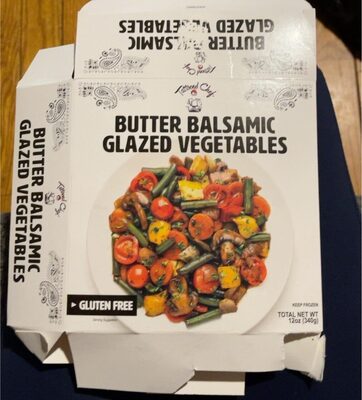
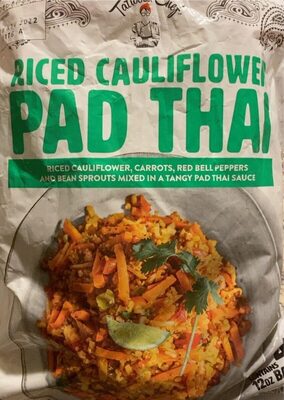
Auto-generated content. This description was generated automatically and is pending editorial review. Inaccuracies are possible. Found a mistake? Contact us.