Preservative Xanthan Gum
What is Preservative Xanthan Gum?
Xanthan gum is a polysaccharide, a type of carbohydrate. It is made by a fermentation process using a specific type of bacteria, *Xanthomonas campestris*, often grown on a sugar-based medium. The resulting gum is then dried and milled into a fine powder.
Is Preservative Xanthan Gum vegan?
Preservative Xanthan Gum is not animal-derived. Products that contain it can still include other animal-derived ingredients, so check the full ingredient list.
Is Preservative Xanthan Gum gluten-free?
It does not contain gluten.
Is Preservative Xanthan Gum a major allergen?
Xanthan gum is not derived from any of the nine major FDA allergens.
What is Preservative Xanthan Gum used for?
Xanthan gum is primarily used as a food thickener and stabilizer.
Is Preservative Xanthan Gum safe?
Xanthan gum is generally recognized as safe (GRAS) by the FDA for use in food.
Why it's used
Xanthan gum is primarily used as a food thickener and stabilizer. It helps to prevent ingredients from separating and gives foods a smooth, consistent texture. It is commonly found in salad dressings, sauces, baked goods, and dairy products.
Health notes
Xanthan gum is generally recognized as safe (GRAS) by the FDA for use in food. It is poorly digested and passes through the body largely unchanged. JECFA and EFSA have evaluated xanthan gum and found it to be safe. Some studies suggest it may help lower blood sugar and cholesterol levels, but more research is needed. High doses may cause digestive discomfort for some individuals.
Allergen info
Xanthan gum is not derived from any of the nine major FDA allergens. It does not contain gluten.
Foods that contain Preservative Xanthan Gum
Compare products →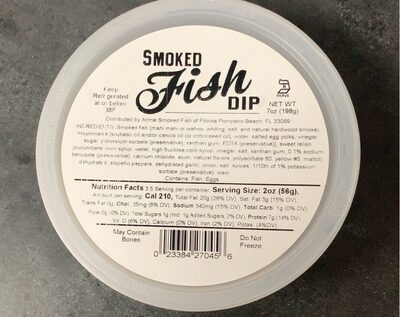 Acme Smoked Fish Corporation
Smoked Fish Dip, Smoked Fish
—kcal
12.5Protein
35.7Fat
1.8Carbs
[[Conagra Brands, Inc]]
Stuffed Crust Pepperoni, Reduced Fat, 100% Mozzarella, Whole Grain, 5 oz, CN
High in sodium — 36% DV per serving
High in saturated fat — 35% DV per serving
236kcal
13.6Protein
10Fat
22.9Carbs
[[Conagra Brands, Inc]]
Stuffed Crust Cheese, 100% Mozzarella, Whole Grain, 5 oz, CN
High in sodium — 32% DV per serving
High in saturated fat — 35% DV per serving
225kcal
12.7Protein
9.9Fat
21.8Carbs
Acme Smoked Fish Corporation
Smoked Fish Dip, Smoked Fish
—kcal
12.5Protein
35.7Fat
1.8Carbs
[[Conagra Brands, Inc]]
Stuffed Crust Pepperoni, Reduced Fat, 100% Mozzarella, Whole Grain, 5 oz, CN
High in sodium — 36% DV per serving
High in saturated fat — 35% DV per serving
236kcal
13.6Protein
10Fat
22.9Carbs
[[Conagra Brands, Inc]]
Stuffed Crust Cheese, 100% Mozzarella, Whole Grain, 5 oz, CN
High in sodium — 32% DV per serving
High in saturated fat — 35% DV per serving
225kcal
12.7Protein
9.9Fat
21.8Carbs
Learn more
Auto-generated content. This description was generated automatically and is pending editorial review. Inaccuracies are possible. Found a mistake? Contact us.