Purple Yam
What is Purple Yam?
Purple yam, also known as ube, is a starchy root vegetable native to Southeast Asia. It has a vibrant purple flesh and a sweet, nutty flavor. The yam is typically boiled, baked, or fried before being used in sweet and savory dishes.
Is Purple Yam vegan?
Purple Yam is not animal-derived. Products that contain it can still include other animal-derived ingredients, so check the full ingredient list.
Is Purple Yam gluten-free?
Purple yam is not one of the nine FDA major allergens and does not contain gluten.
What is Purple Yam used for?
Purple yam is often used as a natural food coloring and flavoring agent, lending a distinct purple hue and subtly sweet taste to foods.
Is Purple Yam safe?
Purple yam is generally recognized as safe (GRAS) by the FDA for use as a food ingredient.
Why it's used
Purple yam is often used as a natural food coloring and flavoring agent, lending a distinct purple hue and subtly sweet taste to foods. It is commonly found in desserts like ice cream, cakes, pastries, and jams, as well as in savory dishes like stews and curries.
Health notes
Purple yam is generally recognized as safe (GRAS) by the FDA for use as a food ingredient. It is a good source of carbohydrates, fiber, and various vitamins and minerals. While generally considered healthy, like any food, excessive consumption should be avoided. Regulatory bodies like JECFA and EFSA have evaluated similar root vegetables, but specific evaluations for purple yam as a distinct ingredient are not widely publicized.
Allergen info
Purple yam is not one of the nine FDA major allergens and does not contain gluten.
Foods that contain Purple Yam
Compare products →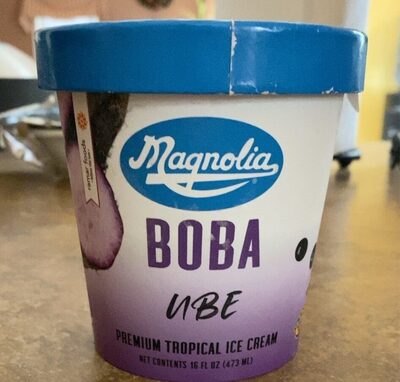

Auto-generated content. This description was generated automatically and is pending editorial review. Inaccuracies are possible. Found a mistake? Contact us.