Puya Pepper
What is Puya Pepper?
Puya peppers are a variety of chili pepper native to Mexico and South America. They are known for their medium heat and smoky flavor. The peppers are typically dried and ground into a powder or used whole in cooking.
Is Puya Pepper vegan?
Puya Pepper is not animal-derived. Products that contain it can still include other animal-derived ingredients, so check the full ingredient list.
Is Puya Pepper gluten-free?
They do not contain gluten.
Is Puya Pepper a major allergen?
Puya peppers are not derived from any of the 9 FDA major allergens.
What is Puya Pepper used for?
Puya peppers are used as a spice to add heat and a distinct smoky flavor to foods.
Is Puya Pepper safe?
Puya peppers are generally recognized as safe for consumption when used as a food ingredient.
Why it's used
Puya peppers are used as a spice to add heat and a distinct smoky flavor to foods. They are often found in hot sauces, marinades, rubs, and chili powders. Manufacturers use them to enhance the taste profile of savory dishes.
Health notes
Puya peppers are generally recognized as safe for consumption when used as a food ingredient. They are a source of capsaicin, the compound that gives chili peppers their heat. While research into capsaicin is ongoing, some studies suggest potential benefits for pain relief and metabolism. However, high intake may cause digestive upset in some individuals. Regulatory bodies like the FDA have not set specific limits for puya pepper consumption.
Allergen info
Puya peppers are not derived from any of the 9 FDA major allergens. They do not contain gluten.
Foods that contain Puya Pepper
Compare products →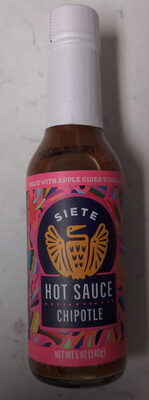
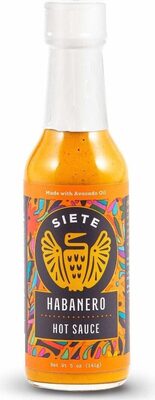
Learn more
Auto-generated content. This description was generated automatically and is pending editorial review. Inaccuracies are possible. Found a mistake? Contact us.