Raising Agent: Sodium Hydrogen Carbonate
What is Raising Agent: Sodium Hydrogen Carbonate?
Sodium hydrogen carbonate, also known as baking soda, is a white crystalline powder. It is a salt of carbonic acid, naturally occurring in mineral deposits and also produced industrially through chemical processes.
Is Raising Agent: Sodium Hydrogen Carbonate vegan?
Raising Agent: Sodium Hydrogen Carbonate is not animal-derived. Products that contain it can still include other animal-derived ingredients, so check the full ingredient list.
Is Raising Agent: Sodium Hydrogen Carbonate gluten-free?
Sodium hydrogen carbonate is not one of the nine FDA major allergens and does not contain gluten.
What is Raising Agent: Sodium Hydrogen Carbonate used for?
It is widely used as a leavening agent in baking, producing carbon dioxide gas when combined with an acid and moisture, which causes doughs and batters to rise.
Is Raising Agent: Sodium Hydrogen Carbonate safe?
In the U.S., sodium hydrogen carbonate is Generally Recognized As Safe (GRAS) by the FDA for use as a food additive.
Why it's used
It is widely used as a leavening agent in baking, producing carbon dioxide gas when combined with an acid and moisture, which causes doughs and batters to rise. It is also used as a pH buffer and an antacid.
Health notes
In the U.S., sodium hydrogen carbonate is Generally Recognized As Safe (GRAS) by the FDA for use as a food additive. It is a common ingredient in antacids and is generally considered safe when consumed in amounts typically found in food. International bodies like JECFA and EFSA have evaluated it. Evidence does not suggest adverse health effects from typical dietary intake.
Allergen info
Sodium hydrogen carbonate is not one of the nine FDA major allergens and does not contain gluten.
Foods that contain Raising Agent: Sodium Hydrogen Carbonate
Compare products →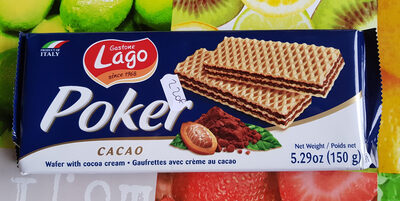 ELLEDI
Elledi, Poker Cocoa Cream Wafers
High in saturated fat — 25% DV per serving
500kcal
6.7Protein
23.3Fat
63.3Carbs
ELLEDI
Elledi, Poker Cocoa Cream Wafers
High in saturated fat — 25% DV per serving
500kcal
6.7Protein
23.3Fat
63.3Carbs
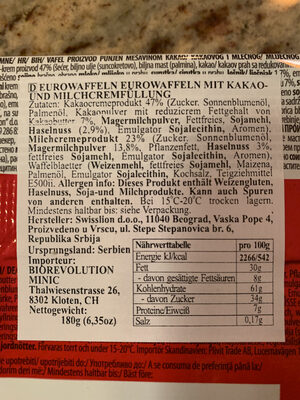 Eurovafel Eurocrem Wafer, 6.35 Oz
High in saturated fat — 65% DV per serving
High in added sugars — 64% DV per serving
502kcal
7Protein
26Fat
60Carbs
Eurovafel Eurocrem Wafer, 6.35 Oz
High in saturated fat — 65% DV per serving
High in added sugars — 64% DV per serving
502kcal
7Protein
26Fat
60Carbs
 Breton Enterprises Inc
Crispy Crepes Chocodream Belgian Milk Chocolate, Crispy Crepes
490kcal
6.7Protein
23.3Fat
66.7Carbs
Breton Enterprises Inc
Crispy Crepes Chocodream Belgian Milk Chocolate, Crispy Crepes
490kcal
6.7Protein
23.3Fat
66.7Carbs
 Breton Enterprises Inc
Crispy Crepes Chocodream Belgian Dark Chocolate, Crispy Crepes
High in saturated fat — 20% DV per serving
510kcal
6.7Protein
23.3Fat
66.7Carbs
SONKO
Crisp Bread Wholemeal
377kcal
18.9Protein
0Fat
75.5Carbs
Wakefern Food Corporation
Shoprite, Mini Squares Wafer With Vanilla Cream Filling, Vanilla, Vanilla
High in saturated fat — 25% DV per serving
500kcal
6.2Protein
25Fat
65.6Carbs
Kagi Sons
Premium Swiss Chocolate Wafer
High in saturated fat — 30% DV per serving
560kcal
4Protein
36Fat
60Carbs
Alanric Food Distributors, Inc.
Amaretti Almond Cookies, Almond
429kcal
10.7Protein
5.4Fat
89.3Carbs
Breton Enterprises Inc
Crispy Crepes Chocodream Belgian Dark Chocolate, Crispy Crepes
High in saturated fat — 20% DV per serving
510kcal
6.7Protein
23.3Fat
66.7Carbs
SONKO
Crisp Bread Wholemeal
377kcal
18.9Protein
0Fat
75.5Carbs
Wakefern Food Corporation
Shoprite, Mini Squares Wafer With Vanilla Cream Filling, Vanilla, Vanilla
High in saturated fat — 25% DV per serving
500kcal
6.2Protein
25Fat
65.6Carbs
Kagi Sons
Premium Swiss Chocolate Wafer
High in saturated fat — 30% DV per serving
560kcal
4Protein
36Fat
60Carbs
Alanric Food Distributors, Inc.
Amaretti Almond Cookies, Almond
429kcal
10.7Protein
5.4Fat
89.3Carbs
Auto-generated content. This description was generated automatically and is pending editorial review. Inaccuracies are possible. Found a mistake? Contact us.