Red 40 Lake And Blue 2 Lake
What is Red 40 Lake And Blue 2 Lake?
Red 40 Lake and Blue 2 Lake are synthetic color additives. They are pigments made by combining the dye (Red 40 or Blue 2) with a metallic salt, usually aluminum hydroxide. This process makes them insoluble in water, allowing them to be used in products where the color needs to stay stable and not bleed.
Is Red 40 Lake And Blue 2 Lake vegan?
Red 40 Lake And Blue 2 Lake is not animal-derived. Products that contain it can still include other animal-derived ingredients, so check the full ingredient list.
Is Red 40 Lake And Blue 2 Lake a major allergen?
Not a major allergen.
What is Red 40 Lake And Blue 2 Lake used for?
These ingredients are used to add color to a wide range of processed foods.
Is Red 40 Lake And Blue 2 Lake safe?
Red 40 Lake and Blue 2 Lake are FDA-approved color additives for use in food.
Why it's used
These ingredients are used to add color to a wide range of processed foods. Their insoluble nature makes them suitable for products with little moisture or where a stable, non-bleeding color is desired. They are often found in items like baked goods, snack foods, and confectionery.
Health notes
Red 40 Lake and Blue 2 Lake are FDA-approved color additives for use in food. Both have been evaluated by JECFA, which has set acceptable daily intakes for them. Concerns have been raised about a potential link between synthetic food dyes, including Red 40 and Blue 2, and hyperactivity in some children; however, the scientific evidence on this topic is mixed. In April 2025, the FDA announced a plan to phase out petroleum-based synthetic dyes, which includes Red 40 and Blue 2.
Allergen info
Not a major allergen.
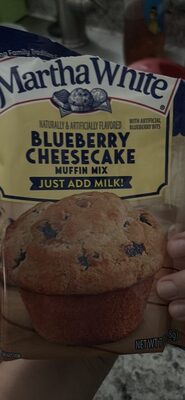
Foods that contain Red 40 Lake And Blue 2 Lake
Compare products →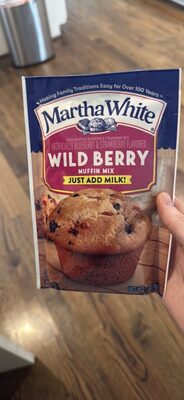
Learn more
Auto-generated content. This description was generated automatically and is pending editorial review. Inaccuracies are possible. Found a mistake? Contact us.