Red And Yellow
What is Red And Yellow?
Red and Yellow are synthetic food colorings used to add or restore color to foods. They are derived from petroleum and are approved for use by the FDA. Red and Yellow are often used in combination to create orange or reddish-yellow hues.
Is Red And Yellow vegan?
Red And Yellow is not animal-derived. Products that contain it can still include other animal-derived ingredients, so check the full ingredient list.
Is Red And Yellow gluten-free?
They do not contain gluten.
Is Red And Yellow a major allergen?
Not a major allergen.
What is Red And Yellow used for?
These colors are added to foods to make them more visually appealing.
Is Red And Yellow safe?
Red and Yellow are approved food additives in the United States.
Why it's used
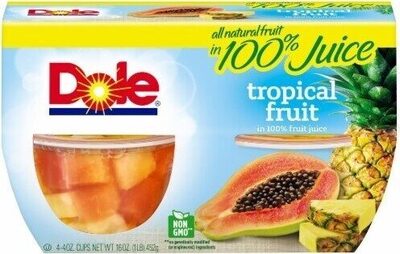
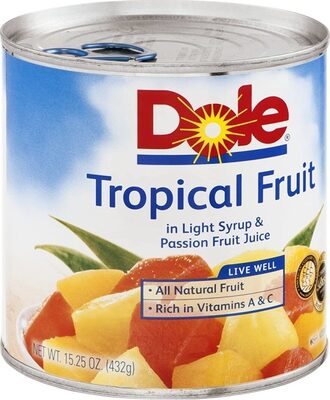
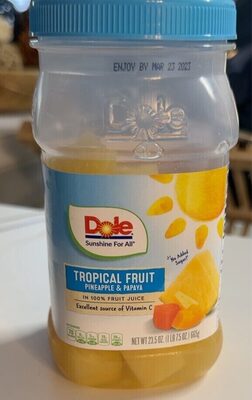
These colors are added to foods to make them more visually appealing. They are commonly found in canned fruits, canned soups, and fruit preparations. Their function is purely aesthetic, providing vibrant colors to processed foods.
Health notes
Red and Yellow are approved food additives in the United States. The FDA has evaluated their safety for consumption. While generally recognized as safe, some individuals may experience sensitivities. Regulatory bodies like JECFA and EFSA have also assessed these colorings, with evaluations ongoing.
Allergen info
Not a major allergen. These colorings are synthetic and not derived from major allergens like milk, eggs, fish, shellfish, tree nuts, peanuts, wheat, soy, or sesame. They do not contain gluten.
Foods that contain Red And Yellow
Compare products →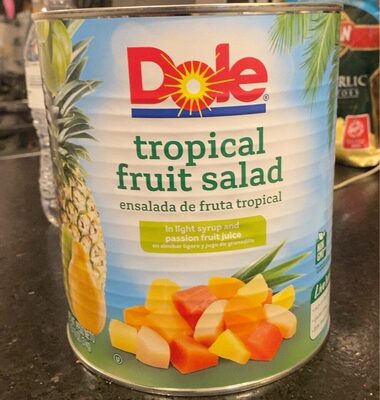
Learn more
Auto-generated content. This description was generated automatically and is pending editorial review. Inaccuracies are possible. Found a mistake? Contact us.