Red Beet Color
Auto-generated content. This description was generated automatically and is pending editorial review. Inaccuracies are possible. Found a mistake? Contact us.
What it is
Red beet color, also known as betanin, is a natural red pigment extracted from red beets (Beta vulgaris). The beets are typically washed, chopped, and then the color is extracted using water or ethanol. The resulting liquid is often filtered and concentrated.
Why it's used
Manufacturers add red beet color to foods to provide a vibrant red or pink hue. It is commonly found in baked goods like cakes and cookies, as well as in flavored snack crackers and candies. Its primary function is as a natural colorant.
Health notes
Red beet color is generally recognized as safe (GRAS) by the FDA for use as a food colorant. It is derived from a vegetable and is not associated with significant health concerns at typical consumption levels. International bodies like JECFA and EFSA have evaluated its safety, and it is permitted for use in many countries. Evidence does not suggest adverse effects from its use as a food additive.
Allergen info
Red beet color is not derived from any of the nine FDA major allergens. It does not contain gluten.
Products containing Red Beet Color
Compare products →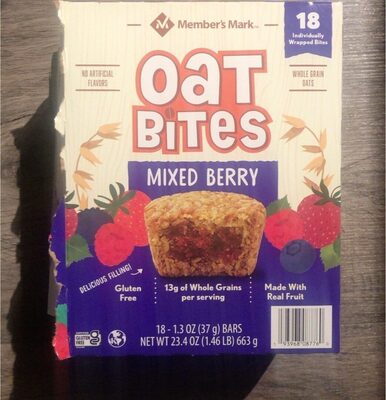 Sam's Club West
Mixed Berry Oat Bites, Mixed Berry
High in added sugars — 22% DV per serving
351kcal
5.4Protein
10.8Fat
70.3Carbs
India Tree
Party Decoratifs, Peppermint Crunch
375kcal
0Protein
0Fat
75Carbs
Sam's Club West
Mixed Berry Oat Bites, Mixed Berry
High in added sugars — 22% DV per serving
351kcal
5.4Protein
10.8Fat
70.3Carbs
India Tree
Party Decoratifs, Peppermint Crunch
375kcal
0Protein
0Fat
75Carbs