Red Bliss Potatoes
What is Red Bliss Potatoes?
Red Bliss potatoes are a variety of red-skinned, waxy potatoes. They are known for their smooth, thin skin and creamy white flesh. These potatoes are grown in various regions and are harvested when mature.
Is Red Bliss Potatoes vegan?
Red Bliss Potatoes is not animal-derived. Products that contain it can still include other animal-derived ingredients, so check the full ingredient list.
Is Red Bliss Potatoes gluten-free?
They do not contain gluten.
Is Red Bliss Potatoes a major allergen?
Potatoes are not one of the 9 FDA major allergens.
What is Red Bliss Potatoes used for?
Red Bliss potatoes are often used in dishes where their waxy texture is beneficial, such as potato salads and roasted potato recipes.
Is Red Bliss Potatoes safe?
Red Bliss potatoes are a source of carbohydrates, potassium, and vitamin C.
Why it's used
Red Bliss potatoes are often used in dishes where their waxy texture is beneficial, such as potato salads and roasted potato recipes. They hold their shape well when cooked. Manufacturers use them in prepared sides, frozen potato products, and some soups.
Health notes
Red Bliss potatoes are a source of carbohydrates, potassium, and vitamin C. Like other starchy vegetables, they can contribute to blood sugar levels. Regulatory bodies have not set specific upper intake limits for potatoes as a food group. They are generally considered a wholesome food when consumed as part of a balanced diet.
Allergen info
Potatoes are not one of the 9 FDA major allergens. They do not contain gluten.
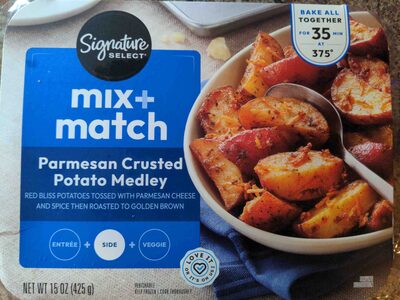
Foods that contain Red Bliss Potatoes
Compare products →

Auto-generated content. This description was generated automatically and is pending editorial review. Inaccuracies are possible. Found a mistake? Contact us.