Red Cabbage
What is Red Cabbage?
Red cabbage, also known as purple cabbage, is a variety of cabbage with dark purple outer leaves. It is a vegetable that grows as a leafy head and is cultivated worldwide. It is typically eaten raw or cooked.
Is Red Cabbage vegan?
Red Cabbage is not animal-derived. Products that contain it can still include other animal-derived ingredients, so check the full ingredient list.
Is Red Cabbage gluten-free?
Red cabbage is not a major allergen and does not contain gluten.
What is Red Cabbage used for?
Red cabbage is used as a natural food coloring, providing shades of red, purple, and blue depending on the pH of the food.
Is Red Cabbage safe?
Red cabbage is a source of vitamins, minerals, and antioxidants, particularly anthocyanins, which give it its color.
Why it's used
Red cabbage is used as a natural food coloring, providing shades of red, purple, and blue depending on the pH of the food. It is commonly found in pickles, relishes, salads, and some candies. Its natural color makes it an attractive alternative to artificial dyes.
Health notes
Red cabbage is a source of vitamins, minerals, and antioxidants, particularly anthocyanins, which give it its color. These compounds are associated with various health benefits in scientific literature, such as anti-inflammatory properties. The FDA considers red cabbage a safe food ingredient. International bodies like EFSA have evaluated anthocyanins, recognizing their antioxidant capacity.
Allergen info
Red cabbage is not a major allergen and does not contain gluten. It is a plant-based food.
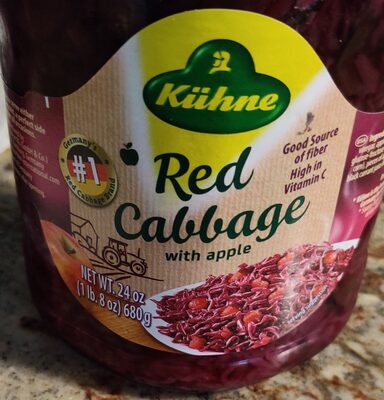
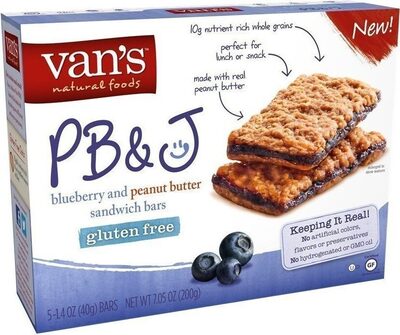
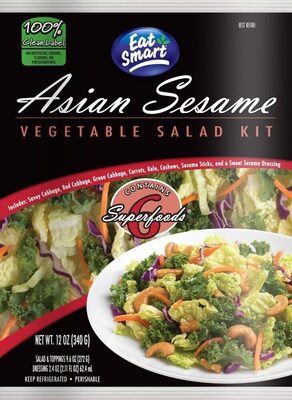
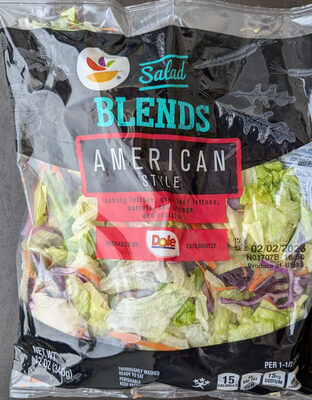
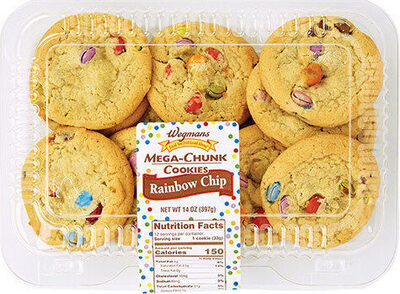
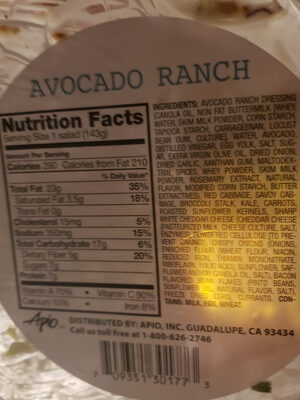
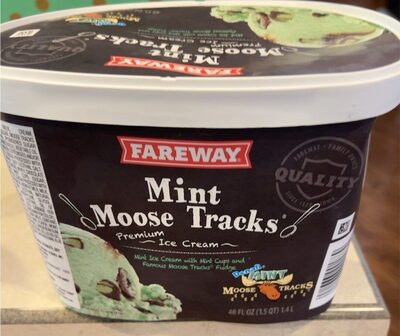
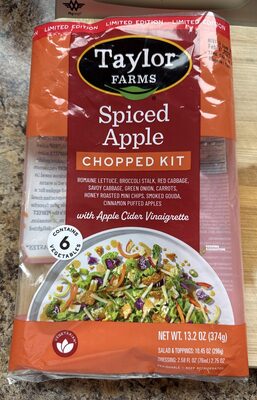
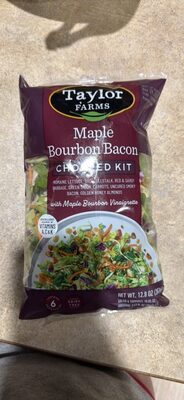
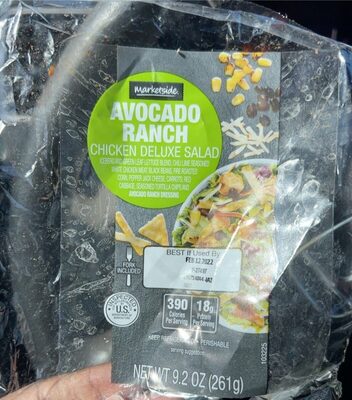
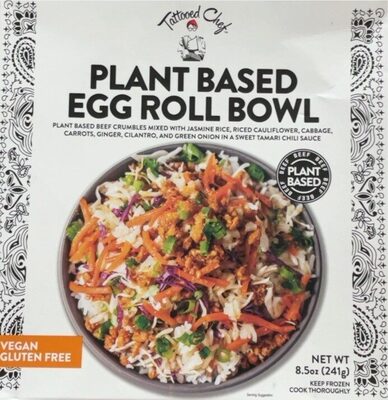
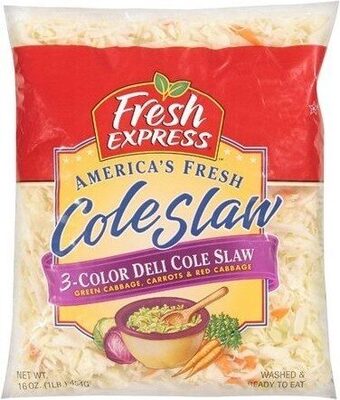
Foods that contain Red Cabbage
Compare products →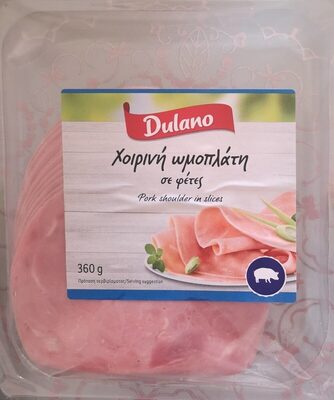
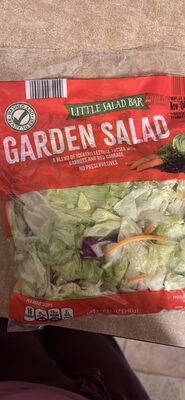

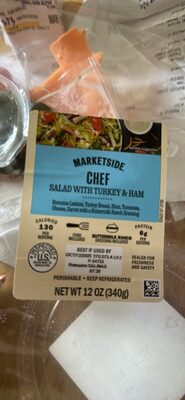



Auto-generated content. This description was generated automatically and is pending editorial review. Inaccuracies are possible. Found a mistake? Contact us.