Red Chard
What is Red Chard?
Red chard is a leafy green vegetable, a variety of beet (Beta vulgaris), known for its vibrant red stems and dark green leaves. It is grown as a food crop worldwide and is typically consumed fresh or lightly cooked. The entire plant, including leaves and stems, is edible.
Is Red Chard vegan?
Red Chard is not animal-derived. Products that contain it can still include other animal-derived ingredients, so check the full ingredient list.
Is Red Chard gluten-free?
Red chard is not a major allergen and does not contain gluten.
What is Red Chard used for?
Red chard is used as a nutritious leafy green in various dishes, similar to spinach or kale.
Is Red Chard safe?
Red chard is a natural food ingredient and is not subject to FDA additive regulations.
Why it's used
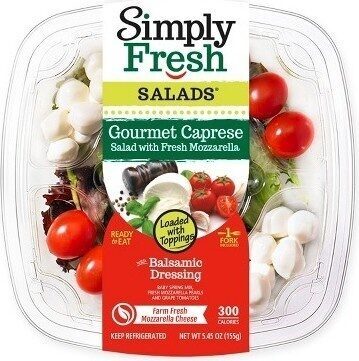
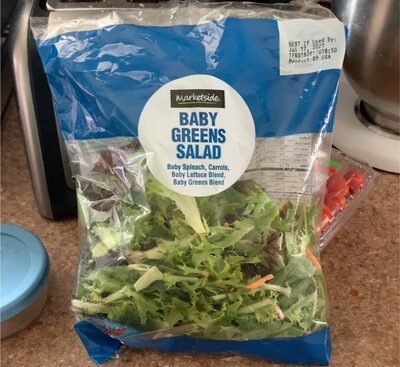
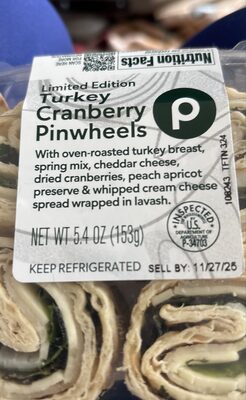
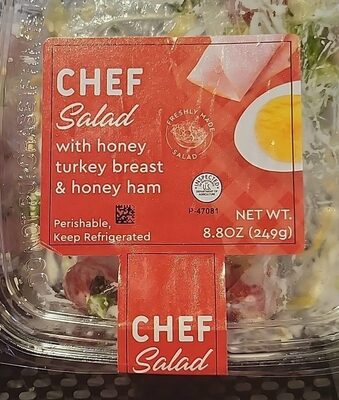
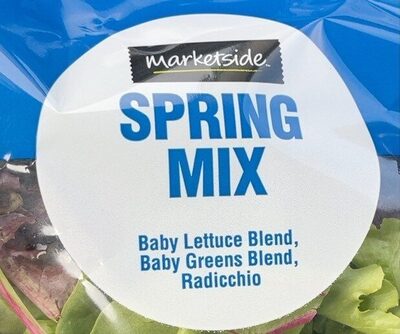
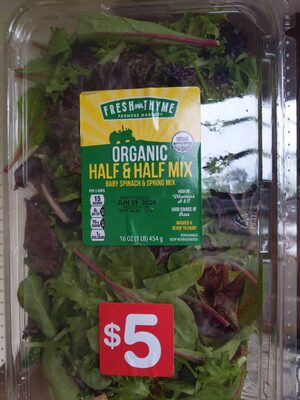
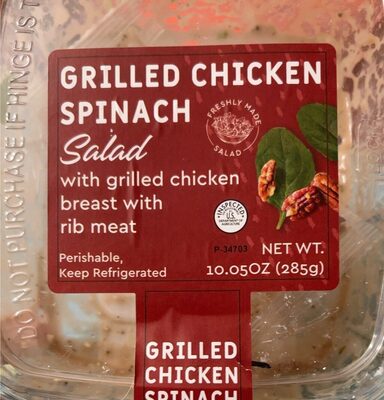
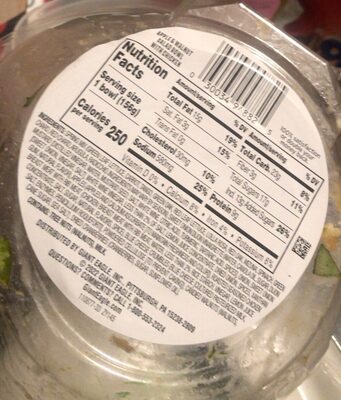
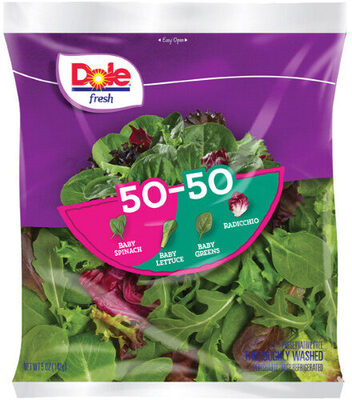
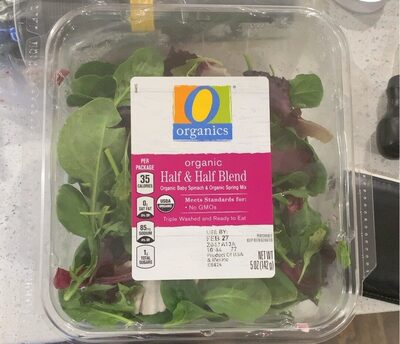
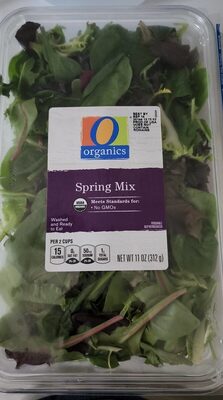
Red chard is used as a nutritious leafy green in various dishes, similar to spinach or kale. It is often found in fresh produce sections, pre-packaged salads, and can be incorporated into cooked meals like sautés, soups, and stews. Its bright color also adds visual appeal to dishes.
Health notes
Red chard is a natural food ingredient and is not subject to FDA additive regulations. It is a good source of vitamins A, C, and K, as well as minerals like magnesium and potassium. While generally recognized as safe, no specific regulatory bodies like JECFA or EFSA have set limits for its consumption as it is a whole food. Its nutritional profile supports overall health.
Allergen info
Red chard is not a major allergen and does not contain gluten. It is a plant-based food.
Foods that contain Red Chard
Compare products →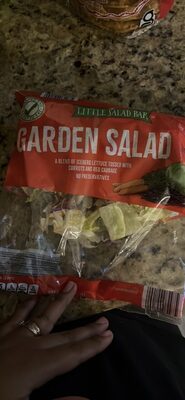
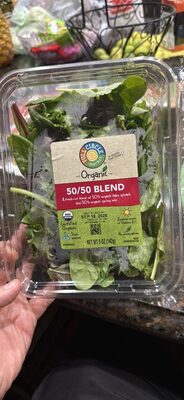
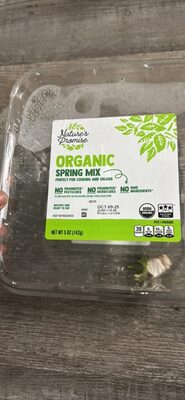
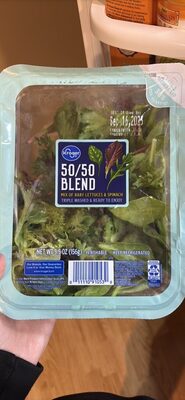


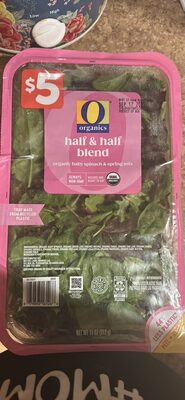
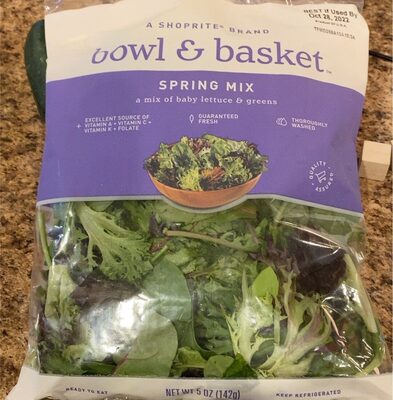
Auto-generated content. This description was generated automatically and is pending editorial review. Inaccuracies are possible. Found a mistake? Contact us.