Red Tabasco Peppers
What is Red Tabasco Peppers?
Red Tabasco peppers are a specific cultivar of the chili pepper (Capsicum frutescens), known for their vibrant red color and moderate heat. They are grown primarily on Avery Island, Louisiana, and are the key ingredient in Tabasco sauce. The peppers are harvested when ripe, then mashed with salt and aged in white oak barrels for up to three years before being mixed with vinegar.
Is Red Tabasco Peppers vegan?
Red Tabasco Peppers is not animal-derived. Products that contain it can still include other animal-derived ingredients, so check the full ingredient list.
Is Red Tabasco Peppers a major allergen?
Not a major allergen.
What is Red Tabasco Peppers used for?
Red Tabasco peppers are used to impart a spicy, tangy flavor and a reddish hue to foods.
Is Red Tabasco Peppers safe?
Red Tabasco peppers are generally recognized as safe (GRAS) by the FDA when used as a food ingredient.
Why it's used
Red Tabasco peppers are used to impart a spicy, tangy flavor and a reddish hue to foods. They are a popular ingredient in hot sauces, marinades, and as a seasoning for a wide variety of dishes. Manufacturers use them to add heat and a distinct pepper flavor profile.
Health notes
Red Tabasco peppers are generally recognized as safe (GRAS) by the FDA when used as a food ingredient. Capsaicin, the compound that gives peppers their heat, may have some health effects, but research is ongoing and evidence is mixed. The FDA has not set specific upper intake limits for chili peppers. International bodies like EFSA have evaluated capsaicinoids, but no specific ADI is set for this ingredient.
Allergen info
Not a major allergen.
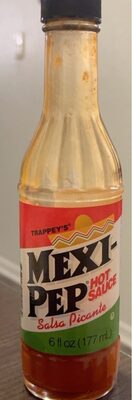
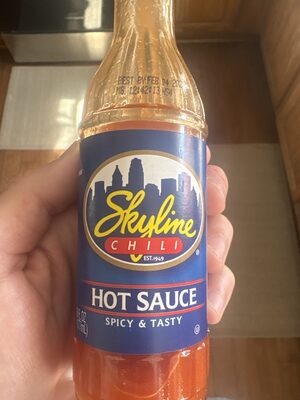
Foods that contain Red Tabasco Peppers
Compare products →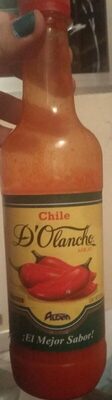
Auto-generated content. This description was generated automatically and is pending editorial review. Inaccuracies are possible. Found a mistake? Contact us.