Red Yeast Rice Powder
What is Red Yeast Rice Powder?
Red yeast rice is produced by fermenting a specific strain of rice (Monascus purpureus) with yeast. This fermentation process creates compounds called monacolins, including monacolin K, which is chemically identical to the active ingredient in the prescription drug lovastatin. It has been used for centuries in traditional Chinese cuisine and medicine.
Is Red Yeast Rice Powder vegan?
Red Yeast Rice Powder is not animal-derived. Products that contain it can still include other animal-derived ingredients, so check the full ingredient list.
Is Red Yeast Rice Powder a major allergen?
Not a major allergen.
What is Red Yeast Rice Powder used for?
In the US, red yeast rice is primarily used as a dietary supplement, often marketed for its potential to support heart health by managing cholesterol levels.
Is Red Yeast Rice Powder safe?
Red yeast rice is regulated as a dietary supplement by the FDA.
Why it's used
In the US, red yeast rice is primarily used as a dietary supplement, often marketed for its potential to support heart health by managing cholesterol levels. Manufacturers may also use it as a natural food coloring agent in some products, though this is less common in the US compared to its supplement use. It is found in some meat products and meat alternatives.
Health notes
Red yeast rice is regulated as a dietary supplement by the FDA. Concerns have been raised about its use due to the presence of monacolin K, which can have drug-like effects and potential side effects, including muscle pain and liver issues, similar to statin medications. The FDA has stated that products containing certain levels of monacolin K may be considered unapproved drugs. JECFA and EFSA have evaluated red yeast rice and its components.
Allergen info
Not a major allergen.
Foods that contain Red Yeast Rice Powder
Compare products →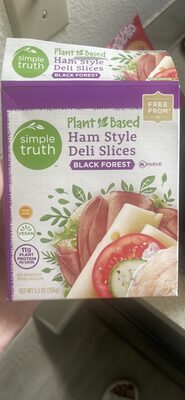 The Kroger Co.
Black Forest Plant Based Ham Style Deli Slices, Black Forest
135kcal
21.1Protein
0Fat
7.7Carbs
The Kroger Co.
Black Forest Plant Based Ham Style Deli Slices, Black Forest
135kcal
21.1Protein
0Fat
7.7Carbs
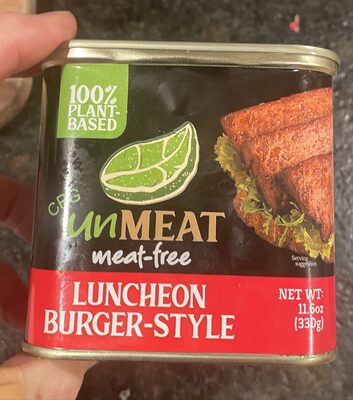 Burger-Style Meat-Free Luncheon, Burger-Style
High in saturated fat — 22% DV per serving
236kcal
9.1Protein
18.2Fat
9.1Carbs
Burger-Style Meat-Free Luncheon, Burger-Style
High in saturated fat — 22% DV per serving
236kcal
9.1Protein
18.2Fat
9.1Carbs
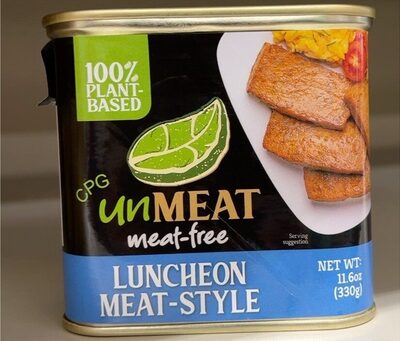 Luncheon Meat-Style
High in saturated fat — 22% DV per serving
236kcal
9.1Protein
18.2Fat
7.3Carbs
Luncheon Meat-Style
High in saturated fat — 22% DV per serving
236kcal
9.1Protein
18.2Fat
7.3Carbs
Auto-generated content. This description was generated automatically and is pending editorial review. Inaccuracies are possible. Found a mistake? Contact us.