Ribonucleotides
What is Ribonucleotides?
Ribonucleotides are compounds naturally found in all living cells. In food, they are often added as flavor enhancers, typically derived from yeast or other microbial sources through fermentation or enzymatic processes. They are commonly used in combination with other ingredients like monosodium glutamate (MSG) to create or boost savory (umami) tastes.
Is Ribonucleotides gluten-free?
Ribonucleotides are not derived from any of the nine FDA major allergens and do not contain gluten.
Is Ribonucleotides a major allergen?
Not a major allergen.
What is Ribonucleotides used for?
Ribonucleotides are used to enhance and round out savory flavors, providing an umami taste that makes food more appealing.
Is Ribonucleotides safe?
Ribonucleotides are generally recognized as safe (GRAS) by the FDA.
Why it's used
Ribonucleotides are used to enhance and round out savory flavors, providing an umami taste that makes food more appealing. They are frequently found in processed foods like snack seasonings, soups, sauces, and processed meats, where they contribute to a richer, more complex flavor profile.
Health notes
Ribonucleotides are generally recognized as safe (GRAS) by the FDA. They are naturally occurring substances in the body and in many foods. Regulatory bodies like JECFA and EFSA have evaluated flavor enhancers, and while specific evaluations for ribonucleotides may vary, they are widely permitted in food. There is no significant evidence to suggest adverse health effects from typical consumption levels.
Allergen info
Not a major allergen. Ribonucleotides are not derived from any of the nine FDA major allergens and do not contain gluten.
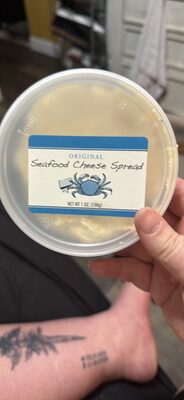
Foods that contain Ribonucleotides
Compare products →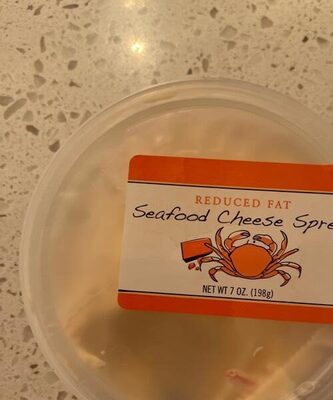
Learn more
Auto-generated content. This description was generated automatically and is pending editorial review. Inaccuracies are possible. Found a mistake? Contact us.