Riced Red Lentils
What is Riced Red Lentils?
Riced red lentils are dried red lentils that have been processed to resemble rice grains. Red lentils are a variety of lentil that are typically dehulled and split, giving them a softer texture and quicker cooking time. The "ricing" process further breaks them down into smaller pieces.
Is Riced Red Lentils vegan?
Riced Red Lentils is not animal-derived. Products that contain it can still include other animal-derived ingredients, so check the full ingredient list.
Is Riced Red Lentils a major allergen?
Not a major allergen.
What is Riced Red Lentils used for?
Manufacturers use riced red lentils as a grain substitute or to add plant-based protein and fiber to foods.
Is Riced Red Lentils safe?
Riced red lentils are a food ingredient and not an additive that requires FDA approval.
Why it's used
Manufacturers use riced red lentils as a grain substitute or to add plant-based protein and fiber to foods. They are often found in packaged meals, side dishes, and mixes where they can absorb flavors and add texture.
Health notes
Riced red lentils are a food ingredient and not an additive that requires FDA approval. They are a source of protein, fiber, and various nutrients. Regulatory bodies like EFSA have not specifically evaluated riced red lentils as a distinct ingredient, but lentils themselves are considered a nutritious food.
Allergen info
Not a major allergen. Lentils are legumes, not tree nuts or peanuts.
Foods that contain Riced Red Lentils
Compare products →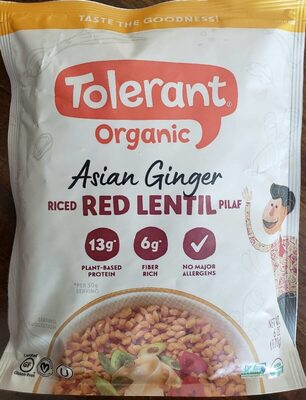 Maxximum Impact, Inc.
Asian Ginger Riced Red Lentil Pilaf, Asian Ginger
360kcal
26Protein
2Fat
60Carbs
Maxximum Impact, Inc.
Asian Ginger Riced Red Lentil Pilaf, Asian Ginger
360kcal
26Protein
2Fat
60Carbs
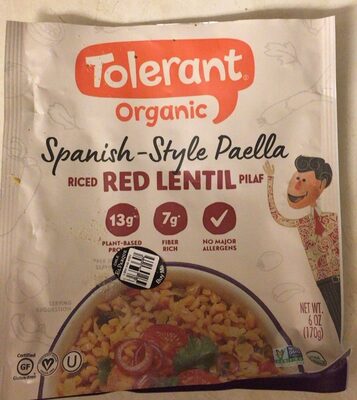 Maxximum Impact, Inc.
Spanish-Style Paella Riced Red Lentil Pilaf, Spanish-Style Paella
360kcal
26Protein
1Fat
62Carbs
Maxximum Impact, Inc.
Spanish-Style Paella Riced Red Lentil Pilaf, Spanish-Style Paella
360kcal
26Protein
1Fat
62Carbs
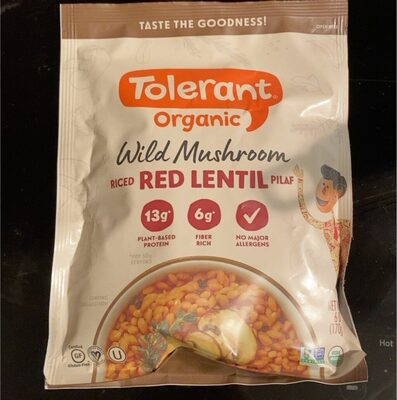 Maxximum Impact, Inc.
Wild Mushroom Riced Red Lentil Pilaf, Wild Mushroom
360kcal
26Protein
2Fat
60Carbs
Maxximum Impact, Inc.
Smoky Peruvian-Style Riced Red Lentil Pilaf, Smoky Peruvian-Style Red Lentil
360kcal
26Protein
1Fat
60Carbs
Maxximum Impact, Inc.
Wild Mushroom Riced Red Lentil Pilaf, Wild Mushroom
360kcal
26Protein
2Fat
60Carbs
Maxximum Impact, Inc.
Smoky Peruvian-Style Riced Red Lentil Pilaf, Smoky Peruvian-Style Red Lentil
360kcal
26Protein
1Fat
60Carbs
Learn more
Auto-generated content. This description was generated automatically and is pending editorial review. Inaccuracies are possible. Found a mistake? Contact us.